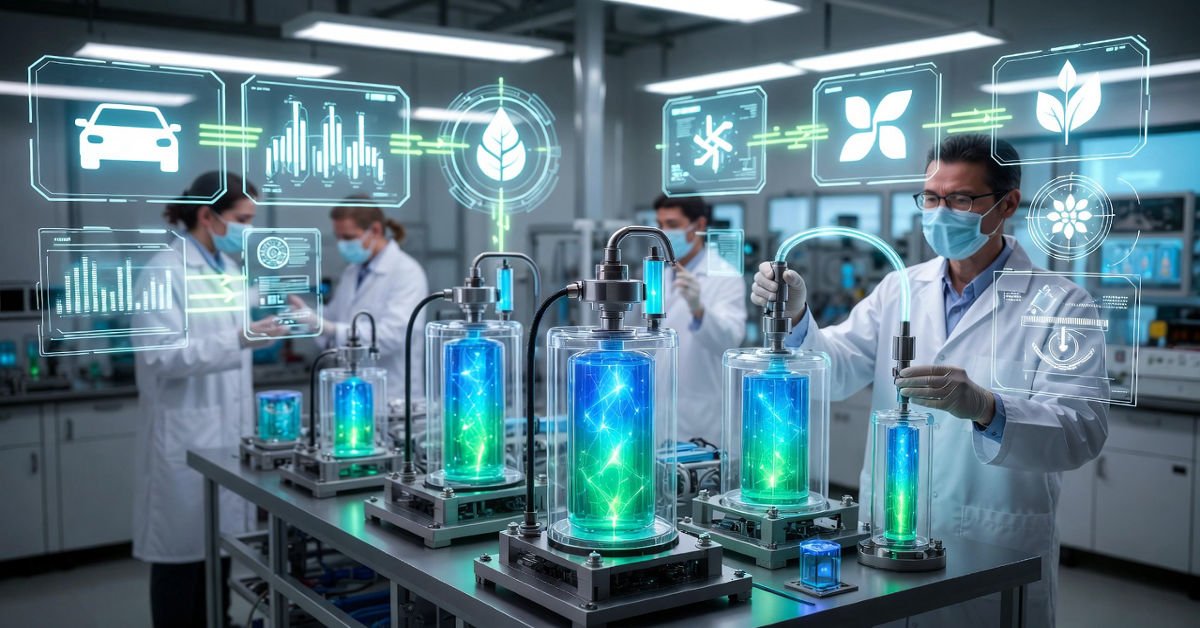
The global shift toward clean energy, electric vehicles (EVs), and smart technology has placed batteries at the heart of modern innovation. From smartphones and laptops to renewable energy grids and electric cars, battery performance determines efficiency, safety, and sustainability. Today, scientists and engineers are developing next-gen battery cell innovations that promise longer life, faster charging, higher energy density, and lower environmental impact.
Understanding Battery Cells and Why Innovation Matters
A battery cell is the basic unit of a battery system that stores and releases electrical energy through chemical reactions. Traditional lithium-ion (Li-ion) batteries have dominated the market for decades due to their reliability and cost-effectiveness. However, modern demands require:
-
Higher energy density
-
Faster charging times
-
Improved safety
-
Longer lifespan
-
Reduced dependence on rare materials
-
Lower environmental footprint
Next-generation battery cell innovations aim to overcome the limitations of conventional lithium-ion technology while supporting the rapid growth of electric vehicles and renewable energy storage.
Key Drivers Behind Next-Gen Battery Development
Several global trends are accelerating battery research and development:
-
Electric Vehicle Expansion: Governments and automakers are pushing for zero-emission transportation.
-
Renewable Energy Integration: Solar and wind energy need reliable storage systems.
-
Consumer Electronics Growth: Devices demand lighter and more powerful batteries.
-
Sustainability Goals: Pressure to reduce carbon emissions and toxic waste.
-
Energy Security: Nations seek alternatives to imported fossil fuels.
Major Next-Gen Battery Cell Innovations
The following technologies represent the most promising advances in battery cell research.
1. Solid-State Battery Cells
Solid-state batteries replace the liquid electrolyte in lithium-ion cells with a solid electrolyte. This change dramatically improves safety and energy density.
Key Benefits:
-
Reduced fire risk
-
Higher energy storage capacity
-
Longer lifespan
-
Faster charging potential
Challenges:
-
High manufacturing costs
-
Scaling production for mass markets
-
Material stability issues
Solid-state batteries are expected to play a major role in next-generation electric vehicles and aerospace applications.
2. Lithium-Sulfur (Li-S) Batteries
Lithium-sulfur batteries use sulfur as the cathode material instead of expensive metals like cobalt or nickel.
Advantages:
-
High theoretical energy density
-
Low material cost
-
Environmentally friendly
Limitations:
-
Short cycle life
-
Performance degradation over time
-
Sensitivity to moisture
Researchers are improving Li-S batteries through advanced coatings and nanotechnology to enhance durability.
3. Sodium-Ion Batteries
Sodium-ion batteries use sodium instead of lithium, making them more abundant and cost-effective.
Benefits:
-
Lower raw material cost
-
Reduced reliance on lithium mining
-
Suitable for grid-scale storage
Drawbacks:
-
Lower energy density than lithium-ion
-
Still in early commercialization stage
These batteries are particularly useful for large-scale renewable energy storage where weight is less critical.
4. Silicon Anode Batteries
Traditional lithium-ion batteries use graphite anodes. Replacing graphite with silicon increases energy capacity significantly.
Advantages:
-
Up to 10x higher energy storage potential
-
Longer driving range for EVs
-
Improved fast-charging performance
Challenges:
-
Silicon expansion during charging can damage cells
-
Engineering solutions are required to improve stability
Many battery manufacturers are already integrating silicon into hybrid anodes for better performance.
5. Lithium-Iron Phosphate (LFP) Improvements
LFP batteries are known for safety and long life. New research improves their energy density and charging speed.
Strengths:
-
Non-toxic materials
-
Long cycle life
-
Lower cost
-
Excellent thermal stability
They are increasingly used in electric buses, grid storage, and affordable EVs.
Comparison of Next-Gen Battery Technologies
| Battery Type | Energy Density | Safety Level | Cost Trend | Main Applications |
|---|---|---|---|---|
| Solid-State | Very High | Excellent | High (currently) | EVs, aerospace |
| Lithium-Sulfur | High | Moderate | Low | EVs, drones |
| Sodium-Ion | Medium | High | Low | Grid storage |
| Silicon Anode | Very High | High | Medium | EVs, electronics |
| Advanced LFP | Medium | Very High | Low | EVs, solar storage |
Manufacturing Innovations in Battery Cells
Next-gen battery performance is not only about chemistry but also about manufacturing processes.
Key manufacturing innovations include:
-
Dry electrode coating: Reduces energy use and production costs.
-
AI-driven quality control: Improves consistency and safety.
-
3D electrode design: Enhances ion flow and charging speed.
-
Recycling integration: Supports circular economy models.
These improvements make battery production more efficient, scalable, and environmentally friendly.
Safety and Reliability Enhancements
Battery safety remains a top priority for manufacturers and regulators. Next-gen battery cells integrate advanced features such as:
-
Self-healing materials
-
Fire-resistant electrolytes
-
Smart sensors for temperature and pressure
-
AI-powered battery management systems (BMS)
These innovations reduce risks of overheating and improve user trust.
Environmental Impact and Sustainability
One of the most important aspects of next-gen battery cell innovations is sustainability.
Key sustainability benefits:
-
Reduced cobalt and nickel usage
-
Higher recyclability rates
-
Lower carbon footprint during production
-
Use of abundant materials like sodium and iron
Battery recycling technologies are also improving, enabling recovery of lithium, copper, and other valuable materials from old cells.
Battery Innovations for Electric Vehicles
Next-gen battery cells are transforming electric mobility by offering:
-
Longer driving ranges (over 600 km per charge)
-
Faster charging (10–15 minutes)
-
Reduced vehicle cost
-
Improved winter performance
These improvements make electric vehicles more attractive to consumers and accelerate adoption worldwide.
Battery Innovations for Renewable Energy Storage
Renewable energy sources such as solar and wind require reliable storage solutions.
Next-gen battery cells provide:
-
High-capacity grid storage
-
Stable power supply
-
Reduced energy losses
-
Support for smart grids
Sodium-ion and LFP batteries are particularly suitable for large-scale storage due to cost efficiency and safety.
Role of Artificial Intelligence in Battery Research
Artificial intelligence plays a growing role in discovering and optimizing battery materials.
Applications of AI include:
-
Predicting material performance
-
Simulating chemical reactions
-
Improving charging algorithms
-
Detecting defects during manufacturing
AI shortens development cycles and reduces research costs.
Challenges Facing Next-Gen Battery Technologies
Despite promising advances, several challenges remain:
-
High production costs
-
Limited supply of some raw materials
-
Complex recycling processes
-
Need for global charging infrastructure
-
Regulatory and safety approvals
Addressing these issues requires collaboration between governments, industries, and research institutions.
Future Outlook of Battery Cell Innovations
The next decade will likely see commercial deployment of solid-state batteries, widespread use of sodium-ion cells, and further improvements in silicon anode technology. Combined with renewable energy growth and electric vehicle adoption, battery innovations will be central to achieving climate goals.
Experts predict that by 2035:
-
Battery costs will drop significantly
-
Energy density will double compared to today
-
Charging times will be under 10 minutes
-
Recycling efficiency will exceed 80%
These advancements will reshape transportation, industry, and everyday life.
Economic and Social Impact
Battery innovation does not only benefit technology sectors; it also creates jobs and supports economic growth.
Key impacts include:
-
Expansion of green manufacturing jobs
-
Reduced oil dependence
-
Improved air quality
-
Energy access in remote regions
Next-gen batteries contribute to a more resilient and sustainable energy ecosystem.
Emerging Research Areas in Battery Technology
| Research Focus | Purpose | Potential Benefit |
|---|---|---|
| Graphene Electrodes | Improve conductivity | Faster charging |
| Bio-based Electrolytes | Reduce toxicity | Eco-friendly cells |
| Quantum Materials | Enhance stability | Longer lifespan |
| Hybrid Batteries | Combine technologies | Balanced performance |
Why Trust Next-Gen Battery Innovations
Battery research is driven by leading universities, global manufacturers, and government-funded labs. Continuous testing, peer-reviewed studies, and real-world trials ensure that new technologies meet safety and performance standards. Transparency in material sourcing and recycling further strengthens trust among consumers and industries.
Conclusion
Next-gen battery cell innovations represent one of the most critical technological revolutions of the 21st century. From solid-state and lithium-sulfur batteries to sodium-ion and silicon anodes, these advancements promise safer, more powerful, and environmentally responsible energy storage solutions.
As industries move toward electrification and sustainability, batteries will remain at the center of progress. Continued research, responsible manufacturing, and effective recycling systems will ensure that next-generation batteries not only power our devices and vehicles but also protect the planet.