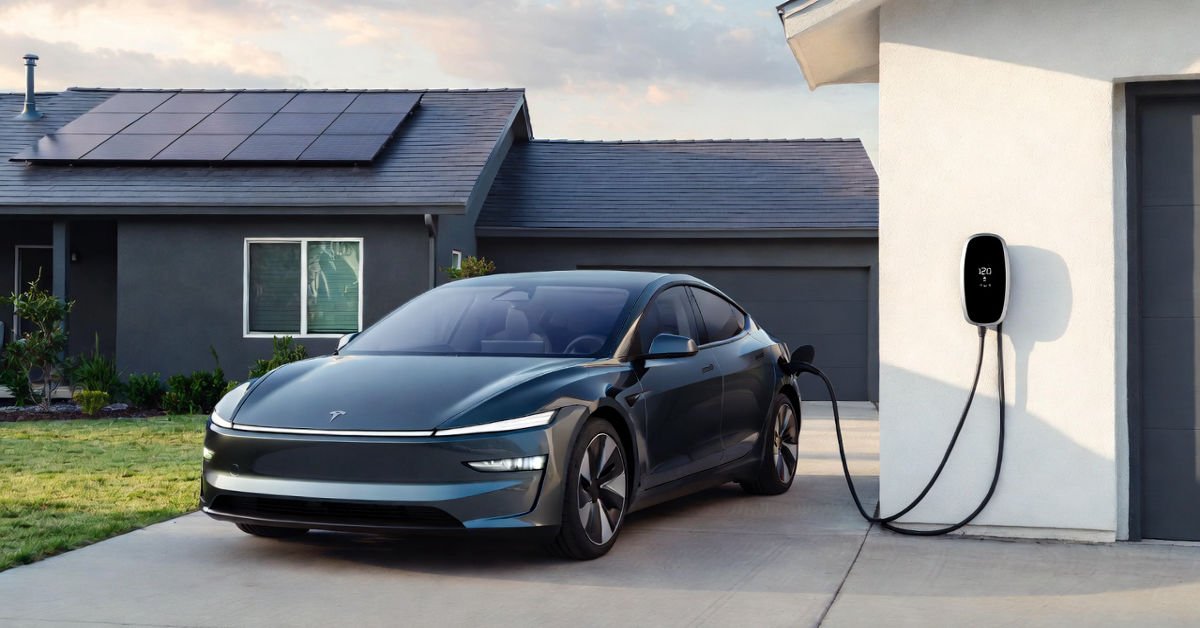
As electric vehicles (EVs) become more popular worldwide, one of the most common questions new owners ask is: How much does it cost to charge an EV at home? Home charging is usually the most convenient and affordable way to keep your electric car powered, but the total cost depends on several factors, including electricity rates, charger type, vehicle battery size, and driving habits.
Understanding Home EV Charging
Home EV charging means using your residential electricity supply to recharge your vehicle’s battery. Most EV owners rely on one of two charging methods:
-
Level 1 charging (standard household outlet)
-
Level 2 charging (dedicated wall charger)
Each option has different installation costs, charging speeds, and long-term expenses.
Main Factors That Affect EV Charging at Home Cost
Several variables determine how much you spend each month or year charging your EV at home.
1. Electricity Price per kWh
Electricity is billed in kilowatt-hours (kWh). Your local utility rate is the biggest factor in determining charging cost.
2. Battery Size of the Vehicle
A larger battery requires more electricity to fully charge.
3. Charging Efficiency
Some energy is lost as heat during charging, increasing actual consumption slightly.
4. Daily Driving Distance
The more you drive, the more often you need to charge.
5. Charger Type (Level 1 vs Level 2)
Faster chargers may cost more to install but save time.
Average Electricity Costs for Home Charging
Below is a table showing estimated costs based on average residential electricity prices.
| Electricity Rate (per kWh) | Cost to Charge 60 kWh Battery |
|---|---|
| $0.10 | $6.00 |
| $0.13 | $7.80 |
| $0.15 | $9.00 |
| $0.20 | $12.00 |
| $0.25 | $15.00 |
This table shows why local electricity pricing has a major impact on your total charging cost.
Level 1 Charging Cost (Standard Outlet)
Level 1 charging uses a regular 120V household socket. Most EVs include this cable when purchased.
Pros:
-
No installation cost
-
Easy to use
-
Ideal for low daily mileage
Cons:
-
Very slow charging (3–5 miles per hour)
-
Higher energy loss over long sessions
Estimated Monthly Cost (Level 1)
| Monthly Driving Distance | Estimated Cost |
|---|---|
| 500 miles | $18 – $25 |
| 1,000 miles | $35 – $50 |
| 1,500 miles | $55 – $75 |
Level 1 charging works best for drivers who commute short distances and can charge overnight.
Level 2 Charging Cost (Home Wall Charger)
Level 2 chargers use a 240V outlet and charge much faster.
Pros:
-
Faster charging (20–30 miles per hour)
-
More energy efficient
-
Convenient for daily use
Cons:
-
Installation cost required
-
Higher upfront investment
Typical Installation and Equipment Costs
| Item | Estimated Cost Range |
|---|---|
| Level 2 charger unit | $400 – $900 |
| Electrical installation | $300 – $1,500 |
| Total setup cost | $700 – $2,400 |
Once installed, the operating cost is similar to Level 1 charging but more time-efficient.
Monthly Home Charging Cost Example
Assume:
-
Electricity rate: $0.15/kWh
-
EV efficiency: 4 miles per kWh
-
Monthly driving: 1,200 miles
Energy required = 300 kWh
Cost = 300 × $0.15 = $45 per month
This is far lower than gasoline expenses for most traditional vehicles.
EV Charging vs Gasoline Cost Comparison
One of the biggest benefits of home charging is savings compared to fuel-powered cars.
| Vehicle Type | Monthly Fuel Cost (1,200 miles) |
|---|---|
| Gas car (30 mpg, $3.50/gal) | $140 |
| Hybrid car | $85 |
| Electric vehicle (home charging) | $40 – $50 |
This comparison shows why many drivers switch to EVs for long-term financial benefits.
Time-of-Use Electricity Plans and Savings
Some utility companies offer discounted nighttime rates.
Benefits of off-peak charging:
-
Lower electricity cost per kWh
-
Reduced strain on the power grid
-
Eco-friendly energy usage
| Charging Time | Typical Rate |
|---|---|
| Peak hours | $0.20 – $0.30/kWh |
| Off-peak hours | $0.08 – $0.12/kWh |
Charging overnight can cut your monthly EV charging bill by up to 40%.
Solar Power and Home EV Charging Cost
If you use solar panels, your EV charging cost can drop dramatically.
Advantages:
-
Nearly free charging after installation
-
Reduced carbon footprint
-
Long-term energy savings
Solar + EV Cost Example
| Scenario | Monthly Charging Cost |
|---|---|
| Grid electricity only | $45 |
| Partial solar support | $15 – $25 |
| Full solar coverage | $0 – $5 |
While solar panels have upfront costs, they offer major long-term savings for EV owners.
Maintenance and Hidden Costs
Home EV charging is relatively low maintenance, but there are small additional expenses:
-
Occasional cable replacement
-
Software updates (for smart chargers)
-
Minor electrical upgrades
These costs are usually minimal compared to fuel and engine maintenance for gasoline vehicles.
Safety and Energy Efficiency Tips
To reduce home charging costs safely:
-
Use certified chargers
-
Avoid extension cords
-
Install surge protection
-
Keep wiring inspected
-
Charge during off-peak hours
Safety and efficiency go hand in hand with cost savings.
Environmental Impact and Financial Benefits
Charging an EV at home is not only cheaper but also cleaner.
Environmental benefits:
-
Reduced greenhouse gas emissions
-
Lower noise pollution
-
Increased use of renewable energy
Financial benefits:
-
Lower monthly transportation cost
-
Reduced vehicle maintenance
-
Increased home energy management control
Future Trends in Home EV Charging Costs
The future of home charging looks even more affordable due to:
-
Smart grid integration
-
Improved battery efficiency
-
Lower charger prices
-
Increased renewable energy use
As technology improves, charging costs are expected to continue decreasing.
Frequently Asked Questions (FAQ)
Is home charging cheaper than public charging?
Yes, home charging is usually much cheaper than fast public chargers, which often cost two to three times more per kWh.
Does charging every day increase my electric bill a lot?
For most drivers, the increase is modest and far less than gasoline expenses.
Can home wiring handle EV charging?
Most homes can support Level 1 charging easily. Level 2 charging may require an electrical upgrade.
Is overnight charging safe?
Yes, if you use certified equipment and proper installation.
Expert Insight on EV Charging at Home Cost
Energy experts agree that home charging is the most economical method for EV ownership. Real-world experience from long-term EV users shows consistent monthly savings compared to traditional fuel vehicles, especially when combined with off-peak electricity plans or solar power systems.
From a financial and environmental perspective, home charging offers unmatched convenience and cost efficiency.
Conclusion
EV charging at home cost is one of the strongest reasons people choose electric vehicles. While initial setup costs may vary, the long-term savings are clear. With average monthly expenses between $30 and $60, home charging is significantly cheaper than fueling a gasoline car.
By choosing the right charger, taking advantage of off-peak rates, and possibly integrating solar energy, EV owners can reduce expenses even further. Home charging is not only economical but also reliable, safe, and environmentally responsible.