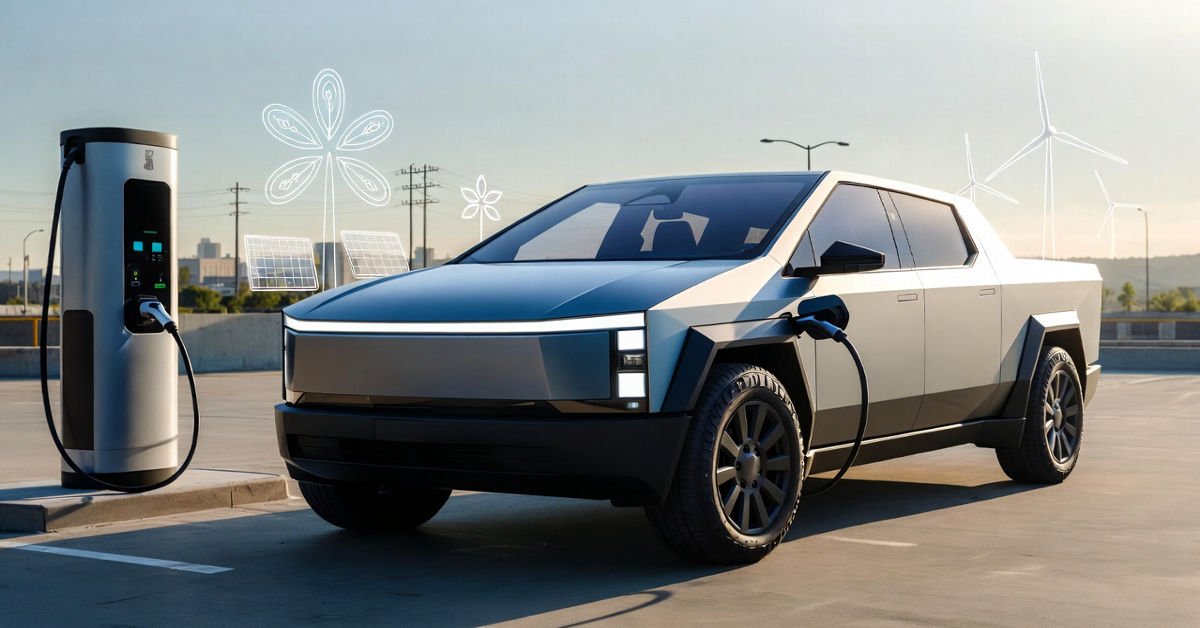
The transition to electric vehicles (EVs) in the United States is accelerating, and electric trucks are now playing a major role in this shift. To encourage adoption, the U.S. government offers federal EV rebates and tax credits for electric trucks, helping both individuals and businesses reduce upfront costs.
Understanding how the federal EV rebate for trucks in the USA works can be confusing. Eligibility rules, income limits, vehicle price caps, battery requirements, and business-specific incentives often change. This guide explains everything clearly, based on current federal policy, in a way that is easy for everyday buyers to understand.
What Is the Federal EV Rebate for Trucks?
The federal EV rebate is officially structured as a tax credit, not a direct cash rebate. Eligible buyers can reduce their federal income tax liability when purchasing qualifying electric trucks.
This incentive is governed under the Inflation Reduction Act, which significantly expanded EV incentives starting in 2023 and continuing through the current decade.
Key Purpose of the Rebate
The federal EV rebate for trucks aims to:
-
Reduce greenhouse gas emissions
-
Support American EV manufacturing
-
Lower ownership costs for electric trucks
-
Encourage adoption by individuals and fleet operators
How Much Is the Federal EV Rebate for Electric Trucks?
The value of the federal EV rebate depends on how the truck is classified and how it is used.
Federal EV Credit Amounts for Trucks
| Truck Category | Maximum Federal Credit |
|---|---|
| Light-duty electric trucks (personal use) | Up to $7,500 |
| Commercial electric trucks (business use) | Up to $40,000 |
| Used electric trucks | Up to $4,000 |
The exact amount depends on battery capacity, vehicle weight, and compliance with federal sourcing rules.
Eligibility Requirements for Electric Trucks
Not every electric truck qualifies for the federal EV rebate. The rules are strict and designed to prioritize vehicles built with domestic or allied supply chains.
General Eligibility Criteria
To qualify, an electric truck must:
-
Be fully electric or plug-in hybrid
-
Have a battery capacity of at least 7 kWh
-
Be purchased for use in the United States
-
Meet final assembly requirements
-
Be purchased new (unless claiming used EV credit)
Federal EV Rebate for Personal-Use Electric Trucks
For individual buyers purchasing an electric truck for personal use, eligibility is determined by income limits and vehicle price caps.
Income Limits for Buyers
| Filing Status | Maximum Adjusted Gross Income |
|---|---|
| Single filer | $150,000 |
| Head of household | $225,000 |
| Married filing jointly | $300,000 |
If your income exceeds these limits, you cannot claim the federal EV rebate for personal-use electric trucks.
MSRP Limits for Electric Trucks
Electric trucks fall under the SUV/truck category, which allows a higher price cap.
| Vehicle Type | MSRP Limit |
|---|---|
| Electric trucks and SUVs | $80,000 |
The MSRP includes factory options but excludes destination fees and taxes.
Commercial Electric Truck Federal Rebate
Businesses benefit the most from federal EV incentives. Commercial electric trucks qualify under a separate tax credit structure, making eligibility much easier.
Why Commercial Buyers Have an Advantage
-
No income limits
-
No MSRP caps
-
Higher maximum credit amount
-
Applies to fleets, logistics companies, and contractors
Commercial EV Truck Credit Amount
| Vehicle Weight Rating | Maximum Credit |
|---|---|
| Under 14,000 lbs | Up to $7,500 |
| Over 14,000 lbs | Up to $40,000 |
This credit applies to delivery vans, box trucks, pickup trucks, and heavy-duty electric vehicles.
Battery and Manufacturing Rules Explained Simply
To qualify for the full $7,500 personal-use credit, electric trucks must meet battery sourcing requirements.
Two-Part Battery Requirement
| Requirement Type | Credit Value |
|---|---|
| Battery components made in North America | $3,750 |
| Critical minerals sourced from approved countries | $3,750 |
If a truck meets only one condition, buyers may receive partial credit.
Federal EV Rebate for Used Electric Trucks
Buyers on a budget can still benefit from EV incentives through the used electric truck tax credit.
Used EV Truck Eligibility
-
Vehicle price must be $25,000 or less
-
Model year must be at least two years old
-
Buyer income must be below set thresholds
-
Vehicle must be purchased from a licensed dealer
Used EV Credit Amount
| Credit Type | Maximum Amount |
|---|---|
| Used electric truck | $4,000 or 30% of price |
How to Claim the Federal EV Rebate for Trucks
The rebate is claimed when filing your federal income taxes with the Internal Revenue Service.
Step-by-Step Claim Process
-
Purchase a qualifying electric truck
-
Obtain eligibility documentation from the seller
-
File IRS Form 8936 with your tax return
-
Apply the credit against your tax liability
Some dealerships may offer point-of-sale credit transfer, reducing the purchase price immediately instead of waiting for tax filing.
Federal EV Rebate vs State EV Incentives
The federal rebate is only one layer of savings. Many states offer additional incentives for electric truck buyers.
Common State-Level Benefits
-
Purchase rebates
-
Sales tax exemptions
-
Reduced registration fees
-
Utility charging incentives
When combined, total savings can exceed $15,000 to $50,000 for commercial electric trucks in certain states.
Charging Infrastructure and Ownership Costs
Electric trucks typically cost less to maintain and operate than gasoline trucks.
Average Cost Comparison
| Expense Category | Electric Truck | Gas Truck |
|---|---|---|
| Fuel/Energy | Lower | Higher |
| Maintenance | Lower | Higher |
| Oil changes | None | Required |
| Brake wear | Reduced | Normal |
These long-term savings strengthen the financial value of the federal EV rebate.
Common Mistakes That Can Disqualify Buyers
Many buyers lose the federal EV rebate due to small mistakes.
Errors to Avoid
-
Exceeding income limits
-
Purchasing a non-qualifying model
-
Ignoring MSRP caps
-
Failing to file correct tax forms
-
Buying from non-certified sellers
Always confirm eligibility before finalizing your purchase.
Are Electric Trucks Worth It With the Federal Rebate?
For most buyers, yes—especially businesses. The rebate significantly reduces upfront cost, while operational savings continue for years.
Best Use Cases
-
Delivery and logistics companies
-
Construction and service contractors
-
Long-term personal ownership
-
Fleet electrification programs
Future of Federal EV Rebates for Trucks
Federal EV incentives are expected to remain in place through 2032, though rules may evolve to encourage domestic production further.
Industry trends indicate:
-
Increased availability of electric trucks
-
Better charging infrastructure
-
Lower battery costs
-
Expanded commercial fleet adoption
Staying informed ensures buyers maximize benefits before policy changes occur.
Final Thoughts
The federal EV rebate for trucks in the USA is one of the most valuable incentives available for transitioning to electric transportation. Whether you are an individual buyer or a business owner, understanding eligibility rules, income limits, and credit structures can save thousands of dollars
1 thought on “Federal EV Rebate for Trucks in the USA”