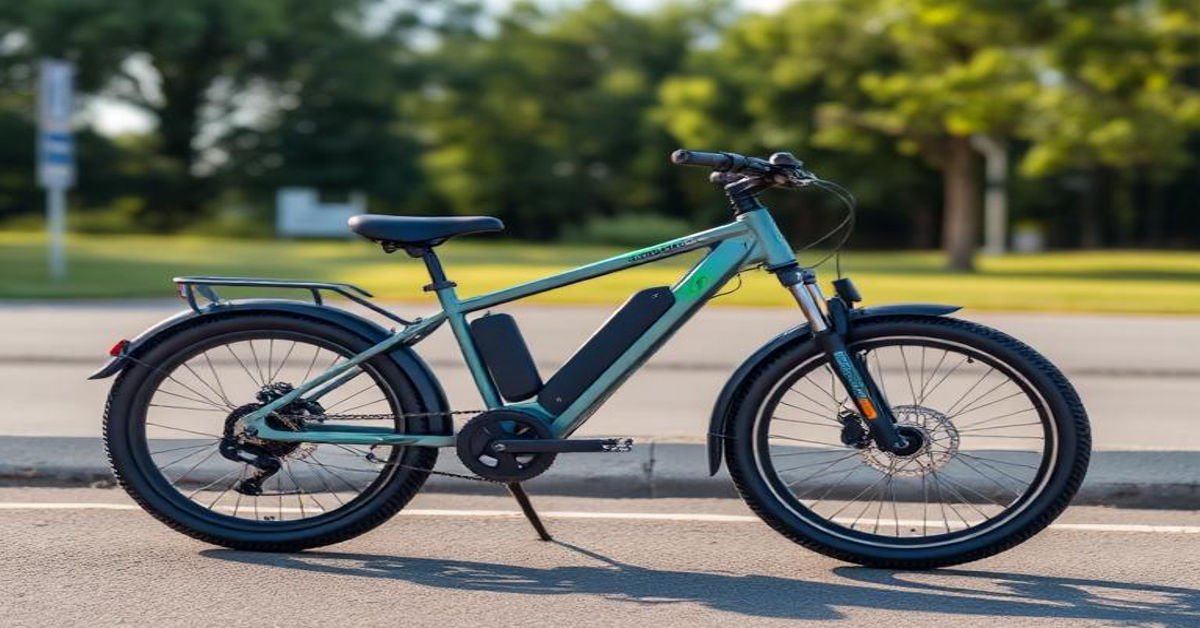
Voltage Rating in High Voltage Electric Bikes are rapidly transforming the future of two-wheeler mobility. As electric mobility evolves, voltage rating has become one of the most important technical parameters that directly impacts performance, efficiency, safety, and long-term reliability. Many buyers focus only on speed or range, but voltage rating plays a deeper role in how an electric bike behaves on the road.
Understanding Voltage Rating in Electric Bikes
Voltage rating refers to the electrical potential of the battery system used in an electric bike. It is usually expressed in volts (V) and commonly ranges from 36V in entry-level models to 96V or more in high-performance electric motorcycles.
In simple terms, voltage determines how much electrical pressure pushes current through the motor. A higher voltage system can deliver more power efficiently without requiring excessive current, which reduces energy loss and heat generation.
What Makes a Bike “High Voltage”
A high voltage electric bike generally operates at 72V and above. These bikes are designed for improved acceleration, higher top speeds, better hill-climbing ability, and enhanced thermal efficiency.
High voltage systems are not limited to racing or premium models. They are increasingly found in urban commuters and touring-focused electric motorcycles due to their balanced performance and efficiency advantages.
Common Voltage Ratings Used in Electric Bikes
| Voltage Rating | Typical Use Case | Performance Level |
|---|---|---|
| 36V | Entry-level city riding | Basic |
| 48V | Daily commuting | Moderate |
| 60V | Long-distance urban travel | Mid-range |
| 72V | Performance commuting | High |
| 84V–96V | Sport and touring bikes | Very High |
Each voltage level serves a specific purpose, and choosing the right one depends on riding style, terrain, and daily usage.
How Voltage Rating Impacts Performance
Voltage rating directly affects how an electric bike performs in real-world conditions.
Higher voltage systems allow motors to spin faster, resulting in quicker acceleration and higher sustained speeds. They also reduce current draw for the same power output, which minimizes heat loss and improves efficiency.
Lower voltage systems may feel slower under load, especially when riding uphill or carrying additional weight.
Acceleration and Torque Behavior
Torque is critical for smooth starts and climbing steep roads. High voltage bikes deliver torque more consistently because the motor receives stable power even under heavy load.
This is especially noticeable in stop-and-go city traffic, where high voltage bikes feel smoother and more responsive compared to low voltage alternatives.
Top Speed Capabilities
While top speed also depends on motor design and controller tuning, voltage rating sets the upper limit for speed potential. Higher voltage allows the motor to maintain higher RPM without stressing the electrical system.
However, responsible manufacturers balance speed with safety, ensuring stability and braking efficiency are not compromised.
Energy Efficiency and Heat Management
One of the biggest advantages of high voltage systems is improved efficiency. For the same power output, high voltage systems draw less current. This reduces resistive losses in cables and connectors, leading to lower operating temperatures.
Lower heat generation extends component lifespan and improves overall reliability.
Battery Design in High Voltage Bikes
High voltage batteries are built by connecting multiple lithium-ion cells in series. This design requires precise balancing and advanced battery management systems to ensure safety and longevity.
| Battery Feature | Low Voltage Bikes | High Voltage Bikes |
|---|---|---|
| Cell Count | Lower | Higher |
| Thermal Control | Basic | Advanced |
| Energy Density | Moderate | High |
| Management System | Simple BMS | Intelligent BMS |
A high-quality battery management system is critical in high voltage bikes to prevent overcharging, overheating, and deep discharge.
Safety Considerations of High Voltage Systems
Safety is a key concern when dealing with high voltage electricity. Modern high voltage bikes include multiple protection layers such as insulation monitoring, automatic cutoff during faults, and reinforced wiring.
Proper design ensures that riders never directly interact with high voltage components. Maintenance and servicing should always be done by trained professionals.
Role of Controllers in High Voltage Bikes
The controller acts as the brain of the electric bike. In high voltage systems, controllers are designed to handle higher electrical stress while maintaining precise control over power delivery.
Advanced controllers also support regenerative braking, ride modes, and smart diagnostics, improving both efficiency and rider experience.
Charging Speed and Voltage Compatibility
High voltage bikes often support faster charging because higher voltage allows more power transfer without excessive current.
However, chargers must be specifically designed for the battery’s voltage rating. Using incompatible chargers can damage the battery or reduce its lifespan.
Impact on Range and Real-World Riding
Voltage alone does not determine range, but high voltage systems often pair with higher capacity batteries. This combination allows longer rides with stable performance even as the battery level drops.
Riders experience consistent power delivery instead of gradual performance loss, which is common in lower voltage systems.
High Voltage Bikes for Urban Commuting
For city riders, high voltage bikes offer smoother acceleration and better handling in traffic. They reduce rider fatigue and improve confidence during quick lane changes or overtaking situations.
Their efficiency also translates into lower energy consumption per kilometer, making them cost-effective over time.
High Voltage Bikes for Highway and Touring Use
Touring-focused electric bikes benefit significantly from high voltage systems. Sustained cruising at higher speeds requires stable power delivery and effective heat management, both of which are strengths of high voltage designs.
These bikes are ideal for long-distance riders who prioritize comfort and consistency.
Maintenance and Longevity Factors
High voltage bikes require slightly more attention during servicing due to their advanced electrical systems. However, when maintained correctly, they often outlast lower voltage bikes due to reduced thermal stress.
Regular software updates and periodic battery health checks help maintain peak performance.
Environmental Benefits of High Voltage Efficiency
Efficient power usage means less energy wasted as heat. This indirectly reduces electricity demand and contributes to lower overall environmental impact.
High voltage bikes align well with sustainable mobility goals by maximizing energy utilization.
Cost Considerations and Value Over Time
While high voltage electric bikes may have a higher upfront cost, their long-term value is often better. Improved efficiency, lower maintenance frequency, and longer component life contribute to reduced ownership costs.
| Cost Aspect | Low Voltage Bike | High Voltage Bike |
|---|---|---|
| Initial Price | Lower | Higher |
| Energy Cost | Moderate | Lower |
| Maintenance | Regular | Less frequent |
| Lifespan | Shorter | Longer |
Choosing the Right Voltage Rating
Selecting the right voltage rating depends on your riding needs. Casual riders may find 48V systems sufficient, while daily commuters and performance-focused riders benefit more from 72V or higher setups.
Understanding your terrain, travel distance, and speed expectations is essential before making a decision.
Future Trends in High Voltage Electric Bikes
The electric bike industry is steadily moving toward higher voltage architectures. Advances in battery chemistry and power electronics are making high voltage systems safer, lighter, and more affordable.
Future models are expected to integrate smart energy management and ultra-fast charging capabilities.
Expert Insight and Real-World Experience
From real-world usage and industry analysis, high voltage bikes consistently offer smoother rides, stronger performance, and better durability. Riders transitioning from low voltage models often notice immediate improvements in responsiveness and stability.
These benefits explain why high voltage systems are becoming standard in premium and mid-range electric bikes.
Conclusion
Voltage rating is one of the most critical factors defining the performance and reliability of electric bikes. High voltage electric bikes deliver superior acceleration, efficiency, safety, and long-term value when designed correctly.
By understanding how voltage impacts real-world riding, buyers can make smarter, future-ready choices. High voltage systems are not just about speed; they represent a more efficient and sustainable approach to electric mobility.
3 thoughts on “Voltage Rating in High Voltage Electric Bikes”