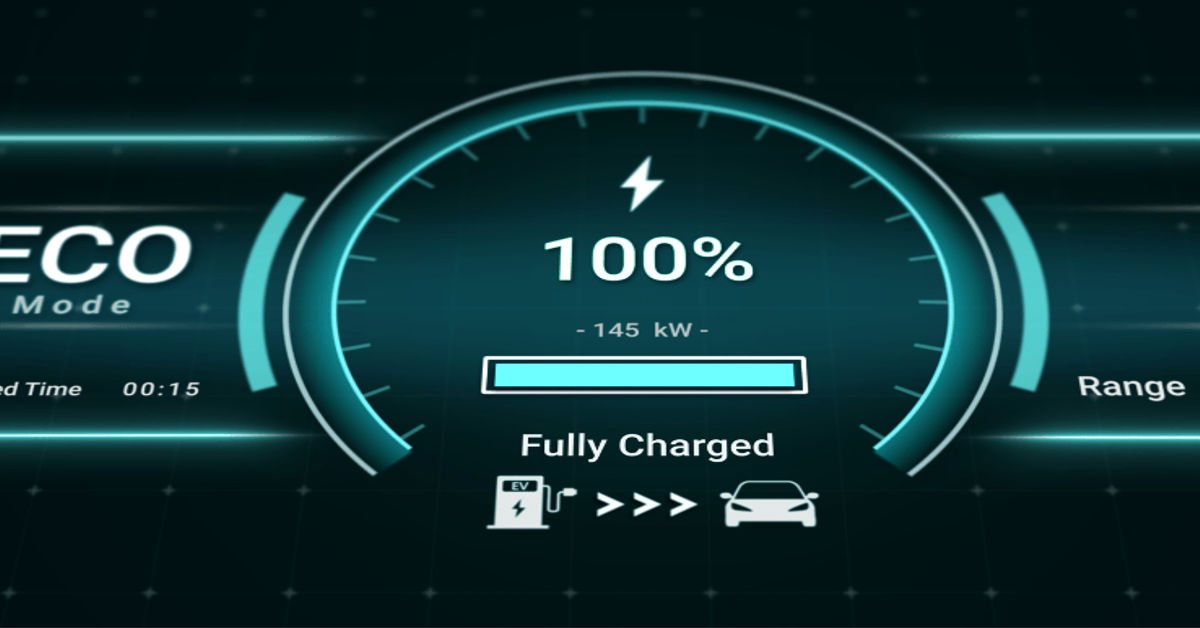
Electric vehicles and modern fuel-efficient cars are designed with advanced driving modes that help users get the best balance between performance, comfort, and efficiency. One of the most widely used features is Eco Mode. For many drivers, a common question is about the distance limit in eco mode and whether using this mode actually increases how far a vehicle can travel on a single charge or tank.
What Is Eco Mode and Why It Exists
Eco mode is a driving setting designed to reduce unnecessary energy consumption. When enabled, the vehicle’s system optimizes multiple components to use less power or fuel. Instead of focusing on quick acceleration or high performance, eco mode prioritizes smooth driving and efficiency.
Manufacturers introduce eco mode to help drivers save energy, reduce operating costs, and lower environmental impact. In electric vehicles, eco mode is especially useful because it helps maximize battery range, which is one of the main concerns for EV owners.
Eco mode does not damage the vehicle or reduce safety. It simply adjusts how power is delivered and how supporting systems operate.
Understanding Distance Limit in Eco Mode
The term distance limit eco mode does not usually mean a fixed or locked distance. Instead, it refers to the maximum achievable range when eco mode is consistently used under favorable conditions.
Eco mode can help a vehicle travel farther by:
-
Reducing power output during acceleration
-
Limiting top speed in some models
-
Optimizing battery or engine management
-
Reducing energy used by air conditioning and other systems
The actual distance gained depends on driving habits, road conditions, vehicle type, and external factors like weather.
How Eco Mode Increases Driving Range
Eco mode works by controlling energy flow across multiple systems. Below is a table explaining how eco mode impacts different vehicle functions and how that affects distance.
Eco Mode Functions and Their Impact on Distance
| Vehicle System | Eco Mode Adjustment | Effect on Distance |
|---|---|---|
| Throttle Response | Slower and smoother acceleration | Reduces energy spikes |
| Motor or Engine Output | Limited peak power | Improves efficiency |
| Climate Control | Reduced cooling or heating load | Saves battery or fuel |
| Regenerative Braking | Increased energy recovery | Extends usable range |
| Speed Management | Soft speed limits in some models | Reduces drag losses |
By combining these adjustments, eco mode helps vehicles operate closer to their optimal efficiency range.
Eco Mode Distance in Electric Vehicles
In electric vehicles, eco mode has a direct impact on range. EV batteries drain faster during rapid acceleration, high speeds, and aggressive driving. Eco mode minimizes these factors.
On average, eco mode can improve EV range by 5% to 20%, depending on usage. For example, if an EV has a real-world range of 350 km, eco mode may help extend it to 380–420 km in city or mixed driving conditions.
Some EVs also show a live range estimate on the dashboard, which increases when eco mode is activated. This helps drivers understand how their driving behavior affects distance.
Eco Mode Distance in Hybrid and Petrol Vehicles
In hybrid and petrol vehicles, eco mode focuses more on fuel efficiency rather than battery conservation. It optimizes gear shifting, throttle response, and engine timing.
While the distance increase may not be as dramatic as in EVs, eco mode still helps reduce fuel consumption. Over long trips, this can result in fewer refueling stops and lower fuel costs.
In hybrids, eco mode often increases the use of electric-only driving at low speeds, which further improves overall range.
Real-World Distance Gains with Eco Mode
The actual distance limit achievable in eco mode varies from driver to driver. Below is a realistic comparison table based on common usage patterns.
Estimated Distance Gain Using Eco Mode
| Driving Condition | Normal Mode Range | Eco Mode Range | Approximate Gain |
|---|---|---|---|
| City Driving | 300 km | 360 km | +20% |
| Highway Driving | 350 km | 380 km | +8% |
| Mixed Use | 320 km | 370 km | +15% |
| Heavy Traffic | 280 km | 330 km | +18% |
These numbers are indicative and depend heavily on driving style and external conditions.
Factors That Affect Distance Limit in Eco Mode
Eco mode alone cannot guarantee maximum distance. Several factors influence how effective eco mode is.
Driving Style
Smooth acceleration, gentle braking, and steady speeds help eco mode work efficiently. Aggressive driving can reduce the benefits.
Road Conditions
Flat roads allow eco mode to perform better. Hilly or mountainous terrain increases energy consumption even in eco mode.
Vehicle Load
Carrying extra passengers or heavy cargo increases weight and reduces distance.
Weather Conditions
Cold weather reduces battery efficiency in EVs, while extreme heat increases air conditioning usage.
Tire Pressure
Under-inflated tires increase rolling resistance and reduce range.
Is There a Speed Limit in Eco Mode
Some vehicles apply a soft speed limit in eco mode. This does not mean the vehicle cannot exceed a certain speed, but acceleration becomes slower after a point.
This feature helps reduce aerodynamic drag, which increases significantly at higher speeds. Maintaining moderate speeds is one of the most effective ways to extend distance.
Eco Mode vs Normal Mode vs Sport Mode
Understanding the difference between driving modes helps drivers choose the right setting for their needs.
Driving Mode Comparison
| Feature | Eco Mode | Normal Mode | Sport Mode |
|---|---|---|---|
| Acceleration | Slow and smooth | Balanced | Fast and aggressive |
| Energy Use | Lowest | Moderate | Highest |
| Driving Comfort | High | High | Medium |
| Distance Potential | Maximum | Average | Minimum |
| Best Use Case | Daily commute | General driving | Performance driving |
Eco mode is ideal for daily commuting, city driving, and long-distance travel where efficiency matters more than performance.
Common Myths About Eco Mode Distance Limit
Many drivers misunderstand eco mode. Below are some common myths clarified.
Eco mode does not harm the engine or battery. It operates within manufacturer-recommended limits.
Eco mode does not permanently limit vehicle speed. Drivers can switch modes anytime.
Eco mode does not reduce safety features. All safety systems remain active.
Eco mode does not make the vehicle weak. It only changes power delivery to prioritize efficiency.
How to Maximize Distance in Eco Mode
Using eco mode correctly can significantly increase range. Practical tips include:
Maintain steady speeds instead of frequent acceleration
Use regenerative braking effectively
Avoid unnecessary idling
Plan routes to avoid heavy traffic
Reduce climate control usage when possible
Keep tires properly inflated
These habits work together with eco mode to maximize distance.
Eco Mode and Battery Health
In electric vehicles, eco mode can positively impact battery health over the long term. By reducing high discharge rates and heat generation, eco mode helps maintain battery efficiency.
Lower stress on the battery means slower degradation, which can preserve usable range over years of ownership. This indirectly improves the long-term distance limit of the vehicle.
When Not to Use Eco Mode
Eco mode is not ideal in every situation. It may not be suitable when:
Quick acceleration is required for overtaking
Driving on steep inclines with heavy load
Merging into fast-moving highway traffic
In such cases, switching to normal or sport mode improves responsiveness and safety.
Eco Mode in Popular Electric Vehicles
Many electric vehicles offer advanced eco driving features. Brands like Tesla, Hyundai, and Tata Motors provide eco-focused modes that adapt to driving conditions automatically.
These systems use software algorithms to balance performance and efficiency in real time, helping drivers achieve better distance without manual adjustments.
Eco Mode and Long-Distance Travel Planning
For long trips, eco mode plays an important role in reducing charging or refueling stops. Drivers can plan routes with confidence when they know eco mode will help stretch available range.
Using eco mode consistently on highways at steady speeds often provides noticeable distance gains. Combined with smart navigation and charging planning, eco mode reduces range anxiety.
Distance Limit Eco Mode in Urban Driving
Urban driving involves frequent stops and starts. Eco mode performs well in these conditions by limiting sudden power usage and maximizing regenerative braking.
In cities, eco mode can significantly improve distance compared to aggressive driving styles. This makes it ideal for daily office commutes and short trips.
Future Developments in Eco Driving Technology
Vehicle manufacturers are continuously improving eco driving systems. Future eco modes may include AI-based driving suggestions, adaptive speed control, and real-time efficiency coaching.
These advancements aim to further increase distance limits without compromising comfort or safety.
Final Thoughts on Distance Limit Eco Mode
Eco mode does not impose a fixed distance limit. Instead, it helps drivers unlock the maximum possible range from their vehicle by optimizing energy usage. When used correctly, eco mode can extend distance, reduce operating costs, and improve long-term vehicle health.
For drivers focused on efficiency, sustainability, and cost savings, eco mode is a powerful and practical feature. Understanding how it works and adopting supportive driving habits makes a real difference in daily and long-distance travel.
7 thoughts on “Distance Limit in Eco Mode”