Introduction
The rise of the electric EV bike in India is not just a trend but a major shift in how Indians commute daily. With rising fuel prices, growing pollution, and increasing awareness about sustainable living, electric bikes have become one of the most practical mobility solutions in the country. From students and office commuters to delivery partners and small business owners, electric two-wheelers are transforming urban and semi-urban transportation.
What Is an Electric EV Bike?
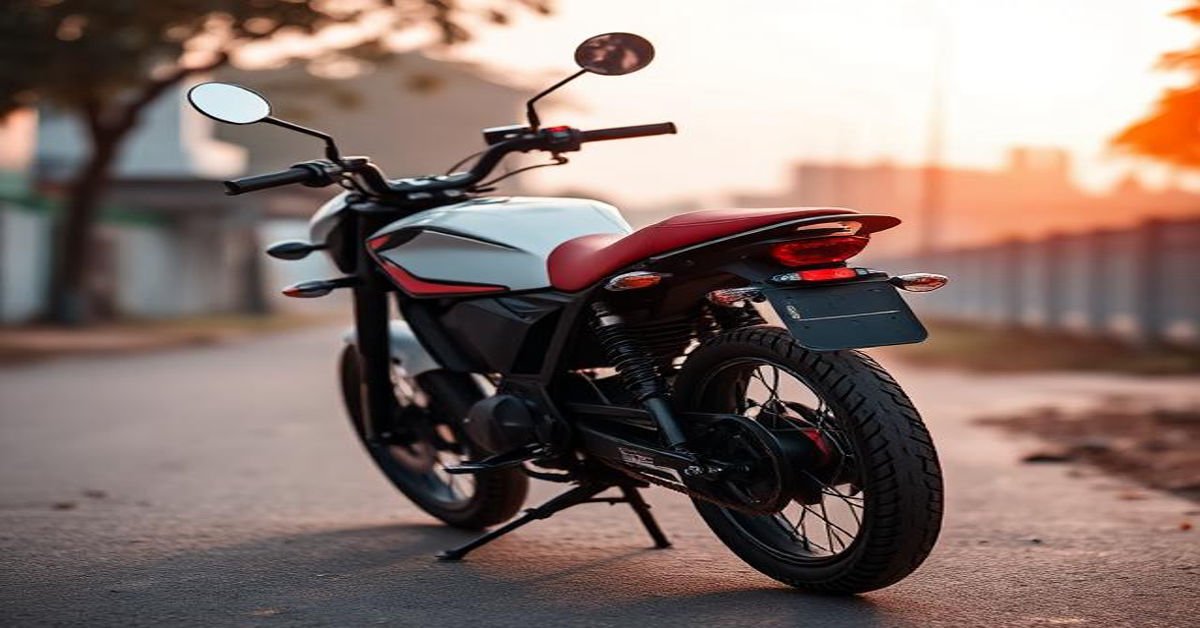
An electric EV bike is a two-wheeler powered by an electric motor and rechargeable battery instead of a petrol engine. These bikes are designed for smooth, quiet, and emission-free riding. Unlike conventional bikes, EV bikes do not require fuel, oil changes, or complex engine maintenance.
Electric bikes in India are broadly classified into two types:
-
Electric scooters (step-through design)
-
Electric motorcycles (bike-style design)
Both categories cater to different riding preferences but share the same core electric technology.
Why Electric EV Bikes Are Gaining Popularity in India
India’s road and traffic conditions demand affordable, efficient, and low-maintenance vehicles. EV bikes meet these requirements perfectly.
Key reasons for growth include:
-
Rising petrol and diesel prices
-
Government subsidies and tax benefits
-
Low running and maintenance costs
-
Improved battery technology
-
Expansion of charging infrastructure
-
Eco-friendly commuting option
Electric bikes are no longer seen as slow or underpowered. Modern EV bikes offer competitive speed, strong acceleration, and smart features suitable for daily use.
Types of Electric EV Bikes Available in India
| Type | Speed Range | Ideal For | License Required |
|---|---|---|---|
| Low-Speed EV Bike | Up to 25 km/h | Students, short city rides | No |
| High-Speed EV Bike | 60–120 km/h | Office commute, highways | Yes |
| Delivery EV Bike | 25–60 km/h | E-commerce & food delivery | Yes (varies) |
| Premium EV Bike | 80–120 km/h | Performance riders | Yes |
Low-speed EV bikes are popular among beginners, while high-speed and premium EV bikes are preferred by daily commuters and enthusiasts.
Battery Technology Used in EV Bikes
The battery is the heart of any electric EV bike. In India, most electric bikes use lithium-ion batteries due to their efficiency and longer lifespan.
| Battery Type | Life Cycle | Charging Time | Common Usage |
|---|---|---|---|
| Lithium-ion | 3–5 years | 3–6 hours | Most modern EV bikes |
| Lead-acid | 1–2 years | 6–8 hours | Older & budget models |
Lithium-ion batteries are lightweight, charge faster, and provide better range compared to lead-acid batteries.
Charging an Electric EV Bike in India
Charging an EV bike is simple and convenient. Most models can be charged at home using a standard power socket.
Charging options include:
-
Home charging (plug-and-play)
-
Office charging
-
Public charging stations
-
Battery swapping stations (selected cities)
| Charging Method | Average Cost | Convenience Level |
|---|---|---|
| Home charging | Very low | High |
| Public charging | Low | Medium |
| Battery swapping | Medium | High |
Charging an EV bike typically costs less than ₹15–₹25 for a full charge, making it far cheaper than petrol.
Running Cost Comparison: EV Bike vs Petrol Bike
| Factor | EV Bike | Petrol Bike |
|---|---|---|
| Cost per km | ₹0.20–₹0.40 | ₹2.5–₹3.5 |
| Monthly fuel/energy cost | ₹200–₹400 | ₹2,000+ |
| Maintenance | Very low | Medium to high |
| Noise & vibration | Minimal | High |
Over time, the savings from an electric EV bike can be significant, especially for daily riders.
Government Support and EV Policies in India
The Indian government actively promotes electric vehicles through various initiatives.
Major benefits include:
-
Subsidies under EV promotion schemes
-
Road tax and registration fee exemption in many states
-
Lower GST on electric vehicles
-
Support for charging infrastructure development
These policies have helped reduce the upfront cost of EV bikes and improved consumer confidence.
Popular Use Cases of Electric EV Bikes
Electric bikes are now used across multiple sectors in India:
-
Daily office commute
-
College students
-
Food delivery and courier services
-
Small business transportation
-
Rural and semi-urban mobility
Their silent operation and low cost make them ideal for both personal and commercial use.
Maintenance and Service of EV Bikes
EV bikes are mechanically simpler than petrol bikes. There is no engine oil, clutch, gearbox, or exhaust system.
Common maintenance areas include:
-
Battery health check
-
Brake pads
-
Tyres
-
Software updates (smart EV bikes)
| Maintenance Item | Frequency | Cost |
|---|---|---|
| Battery inspection | Every 6 months | Low |
| Brake service | Yearly | Low |
| Tyres | As needed | Medium |
Overall maintenance costs are much lower compared to traditional bikes.
Safety Features in Modern EV Bikes
Modern electric EV bikes in India are equipped with essential safety features:
-
Regenerative braking
-
Disc brakes
-
Anti-theft alarms
-
Geo-fencing (smart models)
-
Mobile app connectivity
Safety standards are continuously improving as manufacturers focus on quality and reliability.
Challenges of Electric EV Bikes in India
Despite rapid growth, some challenges remain:
-
Limited charging infrastructure in rural areas
-
Battery replacement cost
-
Range anxiety for new users
-
Higher upfront price compared to basic petrol bikes
However, these issues are gradually reducing with technological advancements and policy support.
Future of Electric EV Bikes in India
The future of electric EV bikes in India looks promising. With continuous innovation, better batteries, faster charging, and expanding charging networks, electric two-wheelers are expected to dominate the market in the coming years.
Experts predict:
-
Higher adoption in Tier-2 and Tier-3 cities
-
Affordable long-range EV bikes
-
Growth of battery swapping networks
-
Increased employment in the EV sector
Is an Electric EV Bike Worth Buying in India?
For most Indian riders, the answer is yes. If your daily commute is within city limits and you want to save on fuel and maintenance, an electric EV bike is a smart investment.
Ideal buyers include:
-
Daily commuters
-
Students
-
Delivery professionals
-
Eco-conscious riders
With proper planning and model selection, EV bikes can offer excellent value for money.
Tips Before Buying an Electric EV Bike
| Checklist | Why It Matters |
|---|---|
| Battery warranty | Long-term savings |
| Real-world range | Avoid range anxiety |
| Service network | Easy maintenance |
| Charging options | Convenience |
| Subsidy eligibility | Lower price |
Always test ride and compare specifications before finalizing your purchase.
Conclusion
The electric EV bike India market is evolving rapidly, offering affordable, efficient, and environmentally friendly transportation. With low running costs, government support, and improving technology, EV bikes are no longer the future—they are the present.
3 thoughts on “Electric EV Bike India – Complete Guide to Electric Two-Wheelers, Benefits, Costs, and Future”