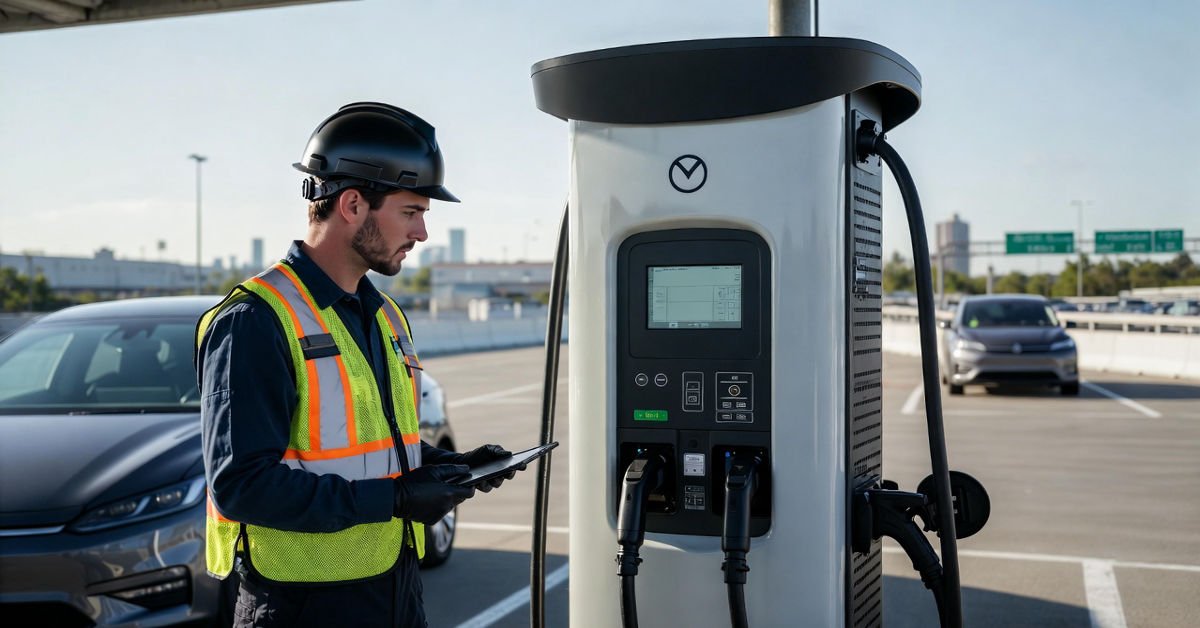
The rapid growth of electric vehicles (EVs) in the United States has transformed how Americans think about transportation and energy consumption. With millions of EVs now on U.S. roads, charging infrastructure has become a critical backbone of this transition. However, installing charging stations is only half the equation. To ensure safety, efficiency, and long-term performance, electric vehicle charger maintenance in the USA is just as important as deployment.
Proper maintenance protects investments, prevents costly downtime, ensures compliance with regulations, and builds trust among EV drivers. Whether chargers are installed at homes, workplaces, public parking facilities, or highway corridors, routine inspection and servicing are essential to keep them running at peak performance.
This in-depth guide explores the importance of EV charger maintenance, types of chargers, best practices, compliance standards, common problems, and future trends in the U.S. market.
Why Electric Vehicle Charger Maintenance Is Essential
EV chargers are complex electrical systems exposed to daily use and environmental stress. Without structured maintenance, performance declines and safety risks increase.
Key reasons maintenance is critical:
-
Ensures consistent charging performance
-
Reduces downtime and service interruptions
-
Prevents electrical hazards and fire risks
-
Extends the life of charging equipment
-
Improves user experience and customer trust
-
Maintains compliance with U.S. safety and energy standards
In public charging networks, a single malfunctioning charger can frustrate dozens of drivers each day. For businesses, poorly maintained chargers can damage brand reputation and discourage repeat visits.
Types of EV Chargers in the USA
Understanding charger types helps determine maintenance frequency and complexity.
| Charger Type | Power Output | Typical Locations | Maintenance Level |
|---|---|---|---|
| Level 1 Charger | 120V AC | Residential homes | Low |
| Level 2 Charger | 240V AC | Homes, offices, malls | Medium |
| DC Fast Charger (DCFC) | 400V–800V DC | Highways, commercial hubs | High |
Each type has unique components, software systems, and safety requirements, making customized maintenance plans essential.
Core Components Requiring Regular Maintenance
EV chargers include both hardware and software systems. Effective maintenance addresses both.
Key components include:
-
Charging cable and connector
-
Power module and transformer
-
Cooling and ventilation system
-
Display screen and user interface
-
Network communication module
-
Circuit breakers and internal wiring
Routine servicing ensures these components remain functional and secure under continuous usage.
Best Practices for EV Charger Maintenance
A proactive approach minimizes breakdowns and reduces long-term costs.
1. Visual Inspection
Regular visual checks can detect early signs of damage.
-
Look for cracks or corrosion on cables
-
Check connectors for bent pins
-
Inspect enclosures for water intrusion
-
Ensure warning labels remain visible
2. Electrical Testing
Certified technicians should test:
-
Voltage stability
-
Grounding systems
-
Insulation resistance
-
Surge protection devices
These tests reduce the risk of short circuits and equipment failure.
3. Software Updates
Modern EV chargers rely heavily on firmware and network software.
-
Update operating systems regularly
-
Patch cybersecurity vulnerabilities
-
Monitor data logs and error codes
-
Ensure compatibility with new EV models
4. Cleaning and Environmental Care
Dust, debris, and moisture can degrade charger performance.
-
Clean screens and connectors
-
Remove dirt from ventilation openings
-
Check for pest intrusion
-
Ensure drainage systems are working
Maintenance Frequency Guidelines
| Charger Environment | Recommended Inspection Frequency |
|---|---|
| Residential (low use) | Every 6–12 months |
| Workplace chargers | Every 3–6 months |
| Public stations | Monthly |
| DC Fast Chargers | Monthly or bi-weekly |
Higher usage environments demand more frequent servicing to maintain reliability.
Common Problems in EV Chargers
Despite technological advances, chargers still face recurring issues.
Typical problems include:
-
Connector wear and tear
-
Software communication errors
-
Power fluctuations
-
Display malfunctions
-
Cooling system failure
-
Payment system breakdowns
Early detection through maintenance prevents small faults from becoming expensive system failures.
Regulatory and Safety Standards in the USA
Electric vehicle charger maintenance in the USA must align with national and state regulations.
Important standards include:
-
National Electrical Code (NEC Article 625)
-
Underwriters Laboratories (UL) certification
-
Occupational Safety and Health Administration (OSHA) requirements
-
Americans with Disabilities Act (ADA) accessibility guidelines
Failure to meet these standards can result in penalties, liability issues, and operational shutdowns.
Role of Professional Maintenance Providers
While basic inspections can be done in-house, professional service providers bring specialized knowledge.
Professional services include:
-
Preventive maintenance contracts
-
Emergency repair services
-
Remote system monitoring
-
Compliance audits
-
Software and firmware management
These providers use diagnostic tools to identify issues invisible to the untrained eye.
Maintenance for Residential EV Chargers
Home EV charger owners in the USA often overlook maintenance due to lower usage.
Best practices for homeowners include:
-
Avoid cable twisting or overstretching
-
Keep chargers dry and shaded
-
Schedule annual professional inspection
-
Monitor charging time consistency
-
Replace damaged connectors immediately
Residential maintenance is simple but crucial for household safety.
Maintenance for Commercial and Public Charging Stations
Public charging stations face heavy usage and higher exposure to vandalism and weather.
Key commercial maintenance tasks:
-
Daily visual inspections
-
Weekly cleaning schedules
-
Monthly electrical testing
-
Software uptime monitoring
-
Payment system verification
Commercial operators benefit from maintenance logs that track performance and repairs.
Cost of EV Charger Maintenance in the USA
Maintenance costs vary depending on charger type and service scope.
| Charger Type | Estimated Annual Maintenance Cost |
|---|---|
| Level 1 Charger | $50–$150 |
| Level 2 Charger | $200–$500 |
| DC Fast Charger | $1,000–$5,000 |
Though maintenance involves expenses, it significantly reduces costly emergency repairs and downtime losses.
Environmental Impact of Proper Maintenance
Well-maintained chargers contribute to environmental sustainability.
-
Prevents energy waste
-
Reduces equipment replacement frequency
-
Supports clean transportation goals
-
Enhances energy efficiency
A reliable charging network strengthens the overall green energy ecosystem.
Importance of Data and Monitoring Systems
Smart chargers generate valuable performance data.
Data tracking helps:
-
Predict failures before they occur
-
Analyze usage patterns
-
Improve load management
-
Optimize maintenance schedules
Predictive maintenance powered by analytics is becoming a major trend in the USA.
Cybersecurity in EV Charger Maintenance
As chargers become connected to cloud platforms, cybersecurity risks increase.
Maintenance must include:
-
Regular security patches
-
Encrypted communication protocols
-
Protection against unauthorized access
-
Secure payment gateways
Cybersecurity is now a core component of charger maintenance strategies.
Training and Workforce Development
The growing EV industry demands trained technicians.
Training programs focus on:
-
Electrical safety
-
Diagnostic procedures
-
Software troubleshooting
-
Regulatory compliance
A skilled workforce ensures higher reliability across the national charging network.
Future Trends in EV Charger Maintenance
The future of EV charger maintenance in the USA is shifting toward automation and intelligence.
Emerging trends include:
-
AI-powered predictive diagnostics
-
Remote troubleshooting systems
-
Self-healing software platforms
-
Modular charger designs for quick repairs
-
Integration with smart grids
These advancements will reduce downtime and enhance user satisfaction.
Challenges Facing EV Charger Maintenance
Despite growth, challenges remain:
-
Lack of standardized maintenance protocols
-
Weather-related damage in extreme climates
-
Vandalism and misuse
-
Limited availability of trained technicians
-
High cost of DC fast charger repairs
Addressing these challenges requires collaboration between government, private operators, and manufacturers.
Benefits of a Structured Maintenance Plan
Organizations that implement structured maintenance programs enjoy:
-
Higher uptime
-
Improved customer confidence
-
Reduced liability risks
-
Better return on investment
-
Regulatory compliance
Maintenance is not an expense but a strategic investment.
Conclusion
Electric vehicle charger maintenance in the USA plays a decisive role in the success of the country’s clean transportation future. As EV adoption accelerates, reliable charging infrastructure becomes non-negotiable. Through regular inspections, professional servicing, data monitoring, and regulatory compliance, operators can ensure safety, efficiency, and long-term sustainability.