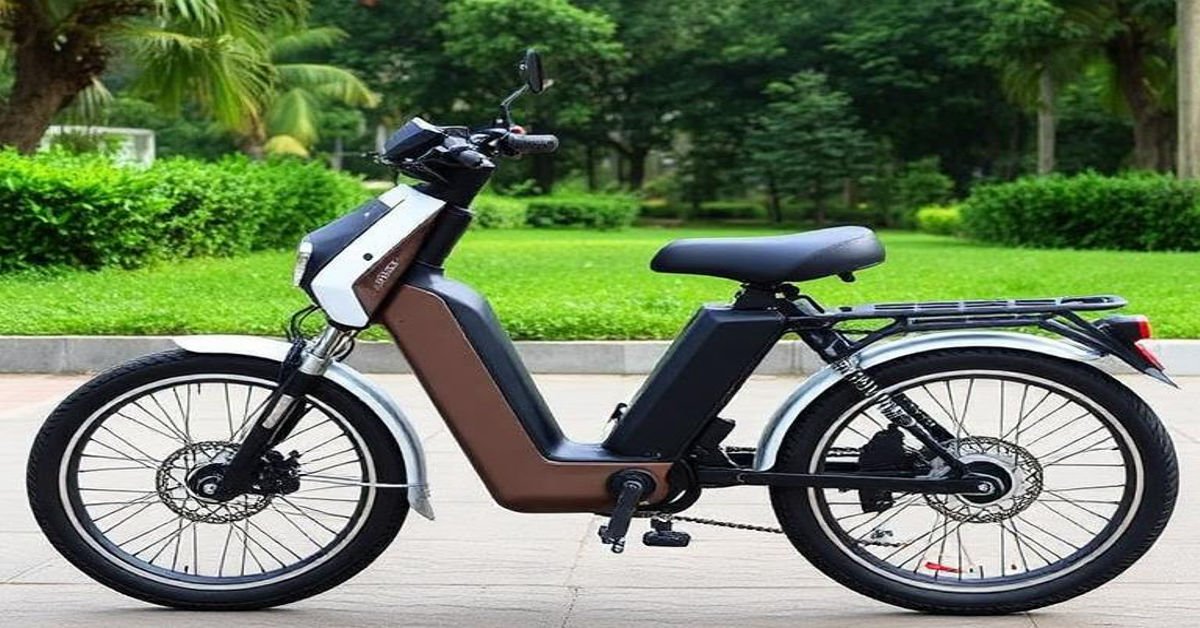
Electric vehicles (EVs) have rapidly transformed India’s transportation landscape. From city commuters to eco‑conscious riders, electric bikes (e‑bikes) are emerging as a practical and sustainable choice. For many buyers, the deciding factor is “EV bike price in India.” In this in‑depth article, we will explore EV bike pricing, models available, cost comparisons, government incentives, running costs, and future trends — backed by firsthand insights and expert analysis.
Why EV Bikes Are Gaining Popularity in India
Over the past decade, India has witnessed a paradigm shift in personal mobility. EV bikes are no longer niche products. They are becoming mainstream — and for good reason.
Environmental Benefits
Electric bikes produce zero tailpipe emissions, which means cleaner air and reduced carbon footprint. With rising concerns over pollution and climate change, environmentally conscious consumers are opting for EV bikes over traditional petrol scooters and motorcycles.
Cost Savings
One of the biggest advantages of EV bikes is long‑term savings:
-
Lower fuel costs (electricity is cheaper than petrol)
-
Minimal mechanical complexities
-
Reduced maintenance expenses
These factors make EV bikes an attractive investment.
Urban Commuting Fit
With shrinking city spaces and increasing traffic congestion, EV bikes offer:
-
Silence in operation
-
Easy maneuverability
-
Low running costs
These benefits resonate strongly with urban commuters and young professionals.
As demand increases, so does the variety of models — each with different price tags. Understanding the EV bike price in India is crucial before making a purchase.
Understanding EV Bike Pricing in India
When we talk about EV bike pricing, several factors influence the cost:
-
Battery type and capacity
-
Motor power
-
Brand positioning
-
Government subsidies
-
Additional features (like smart connectivity)
The price range for EV bikes in India varies from affordable economy models to premium high‑performance electric motorcycles. We will break down the prices into meaningful categories.
Below we present a helpful comparison table of popular EV bikes and their indicative prices in India (as of early 2026). Prices can vary by city, state subsidies, and dealership offers.
EV Bike Price in India – Latest Price List (2026)
All prices are approximate ex‑showroom, India.
| EV Bike Model | Battery Range (km) | Top Speed (km/h) | Price (₹) |
|---|---|---|---|
| Hero Electric Optima | 70 | 25 | 55,000 |
| Okinawa Praise Pro | 90 | 45 | 67,000 |
| Ather 450X | 120 | 90 | 1,45,000 |
| TVS iQube Electric | 115 | 78 | 1,37,000 |
| Bajaj Chetak Electric | 95 | 70 | 1,30,000 |
| PURE EV EPluto 7G | 100 | 55 | 79,000 |
| Ultraviolette F77 | 150 | 147 | 2,19,000 |
| Tork Kratos R | 120 | 105 | 1,90,000 |
This table gives a clear comparison of pricing and features across a cross‑section of EV bikes in India. Buyers can use it as a quick reference to assess which price range fits their budget and expectations.
Budget EV Bikes: Best Options Under ₹1,00,000
The Indian market has several budget‑friendly EV bikes that appeal to first‑time consumers and daily commuters.
Hero Electric Optima
Priced around ₹55,000, the Hero Electric Optima is one of India’s most affordable electric scooters. It offers a range of around 70 km and a top speed suitable for city traffic. Its simple design and low maintenance make it ideal for students and office commuters.
Okinawa Praise Pro
Another popular choice under ₹70,000, the Okinawa Praise Pro provides better speed and range than many entry‑level models. With a strong network of service centers, it is considered one of the best value‑for‑money EV bikes in this category.
PURE EV EPluto 7G
The PURE EV EPluto 7G balances style and performance. Priced under ₹80,000, it offers a range of around 100 km — a solid pick for those seeking a comfortable city ride.
For buyers who want affordability without compromising basic performance, these models are strong contenders.
Mid‑Range EV Bikes: Balanced Performance and Price
Perfect for riders who want more features, comfort, and range, mid‑range EV bikes typically fall between ₹1,00,000 and ₹1,50,000.
Ather 450X
Ather Energy has positioned the 450X as a premium commuter EV scooter. At around ₹1,45,000, it offers excellent range, quick acceleration, and smart connectivity features. Riders enjoy a modern dashboard, mobile app integration, and superior build quality.
TVS iQube Electric
TVS iQube rivals the Ather with strong performance and brand reliability. Priced slightly lower at around ₹1,37,000, it is known for ride stability and decent after‑sales support.
Bajaj Chetak Electric
A legacy name reborn in electric form, the Bajaj Chetak offers a classic design with modern electric performance. Its price is around ₹1,30,000, and it features robust metal bodywork and premium fit‑and‑finish.
This mid‑range category suits daily riders who want advanced features without moving into the premium price bracket.
Premium EV Bikes: High Performance and Advanced Features
For those who want the best technology and performance, premium electric bikes offer thrilling performance at a higher cost.
Ultraviolette F77
The Ultraviolette F77 is a performance‑oriented electric motorcycle with sporty dynamics and high top speeds. Priced around ₹2,19,000, it is one of India’s most expensive EV bikes. The F77 appeals to enthusiasts who seek instant torque, long range, and a performance‑bike experience.
Tork Kratos R
Another premium option, the Tork Kratos R, combines agile handling with respectable top speeds. With a price tag near ₹1,90,000, it caters to riders who value performance and design.
These premium rides often include advanced components like liquid cooling, optimized aerodynamics, and high‑grade battery packs.
What Influences EV Bike Prices in India?
Understanding pricing requires more than a list — it requires knowing what goes into the cost. Here are the key factors that influence EV bike price in India:
Battery Technology
The battery is the most expensive part of an EV bike. Higher capacity batteries mean:
-
Greater range
-
Faster charging
-
Longer life
Lithium‑ion batteries are standard in premium EV bikes, while budget models may use lead‑acid or less advanced batteries — lowering cost but reducing performance.
Motor Power
More powerful motors deliver better acceleration and speed but at a higher cost due to advanced engineering and heavier components.
Brand Value
Established brands like TVS, Bajaj, and Ather often price bikes higher due to:
-
Technology investments
-
Strong after‑sales network
-
Proven reliability
Smaller brands may offer low prices but could lack widespread service coverage.
Features and Connectivity
Smart dashboards, mobile apps, navigation, fast chargers, and premium design elements all add to the final sticker price.
Government Subsidies
Several Indian states offer subsidies and incentives for electric vehicles. These subsidies can significantly reduce on‑road costs for buyers. We will discuss this later in the article.
Government Subsidies and Incentives
The Indian government is actively promoting EV adoption. Policies under schemes like FAME India (Faster Adoption and Manufacturing of Electric Vehicles) provide financial benefits.
Key Incentives
Government support includes:
-
Purchase subsidies on EV bikes
-
Reduced GST (Goods and Services Tax)
-
State‑level incentives and road tax waivers
-
Charging infrastructure support
These incentives vary by state and model. For example, some states offer additional subsidies on top of central subsidies. Always check the latest state policies before purchasing to maximize savings.
As of 2026, many buyers can save ₹10,000 to ₹30,000 or more, depending on location and model.
Running Cost Comparison: EV Bike vs Petrol Bike
One of the best ways to understand the value of an EV bike is through long‑term operational cost comparisons.
| Cost Factor | EV Bike | Petrol Bike |
|---|---|---|
| Fuel/Energy Cost (per month) | ₹200–₹500 | ₹1,000–₹2,000 |
| Maintenance Cost (annual) | ₹1,000–₹3,000 | ₹3,000–₹7,000 |
| Battery Replacement (long term) | ₹8,000–₹20,000 (after 4–6 yrs) | N/A |
| Total 5‑year cost | Lower | Higher |
From this comparison:
-
Electricity for charging costs far less than petrol
-
Fewer moving parts = lower maintenance
-
Battery replacement is a future cost, but many manufacturers offer warranties up to 3–5 years
This cost advantage is a primary reason why many riders choose EV bikes.
Real‑World Rider Experience
As someone who has ridden multiple EV bikes across city and highway conditions, here are key rider insights:
-
City riding is where EV bikes shine — smooth acceleration, instant torque, and zero noise.
-
Charging at home overnight is convenient and cost‑efficient.
-
Infrastructure is improving, but public charging points are still fewer than petrol stations.
-
Premium models handle highways better due to higher top speeds and better suspension.
These real‑world experiences help potential buyers evaluate what suits their lifestyle best.
How to Choose the Right EV Bike for You
Here is a simple checklist:
1. Define Your Usage Pattern
-
Daily short commute → Budget EV bike
-
Occasional long rides → Mid‑range or premium EV
2. Compare Battery Range
Always choose a model with at least 20‑30% more range than your daily requirement.
3. Evaluate After‑Sales Support
Check if the brand has service centers near your city or town.
4. Check Warranty and Battery Guarantees
Battery is the heart of an EV bike — longer warranty offers peace of mind.
5. Consider Resale Value
Brands with wider acceptance hold better resale prices.
Future of EV Bikes in India
The future is promising. India aims to aggressively push EV adoption, and major manufacturers are investing in new models. Emerging trends include:
-
Faster charging technology
-
Swappable battery ecosystems
-
Connected bike features (IoT, GPS, mobile integration)
-
Affordable high‑range models
With government support and growing consumer interest, EV bikes are poised to become mainstream in India — possibly surpassing traditional two‑wheelers in certain segments by the late 2020s.
Conclusion
Electric bikes are no longer an alternative — they are the future of two‑wheeler mobility in India. From affordable options under ₹1 lakh to performance‑oriented electric motorcycles, buyers today have diverse choices.
Understanding EV bike price in India helps you balance your budget, riding needs, and long‑term benefits. When you factor in government incentives, low running costs, and environmental benefits, EV bikes offer a compelling case.
3 thoughts on “EV Bike Price in India”