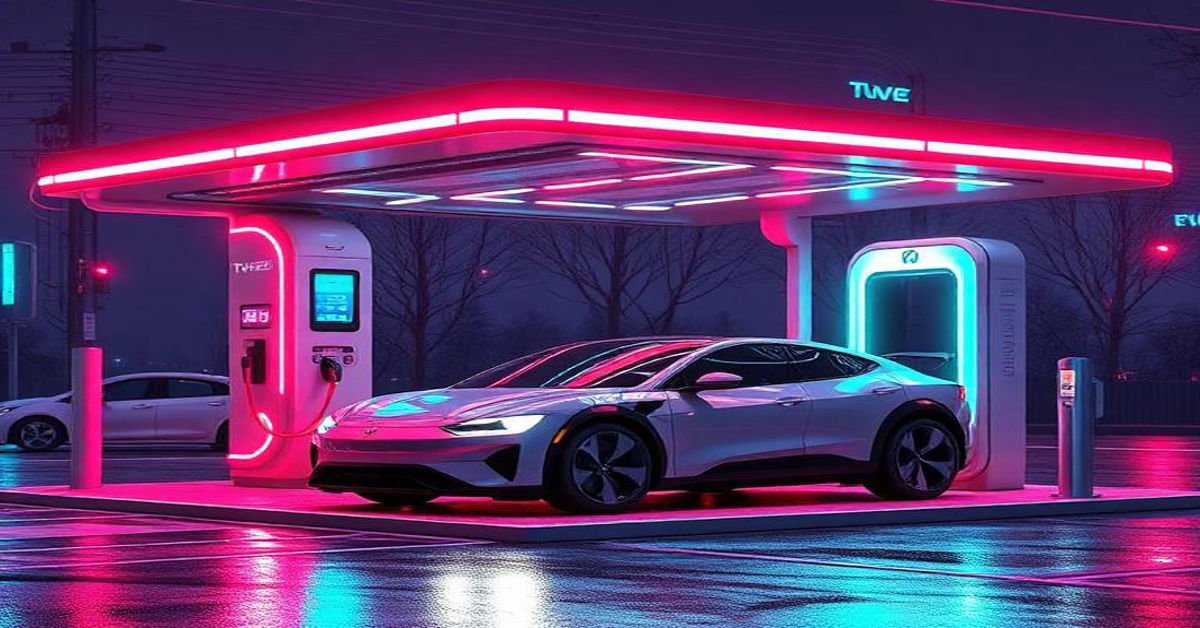
As electric vehicles (EVs) continue to gain popularity worldwide, the demand for efficient and accessible EV charging infrastructure has never been higher. Setting up an EV charging station is not just a technological endeavor but also a strategic investment for businesses, governments, and individuals looking to participate in the green energy revolution. This comprehensive guide will explore all aspects of EV charging station setup, from planning and technology selection to installation, cost considerations, and regulatory compliance.
Introduction
The global push towards electric mobility is reshaping the automotive and energy sectors. Countries worldwide are setting ambitious EV adoption targets, leading to a surge in EV charging station demand. The setup of these stations is critical in ensuring a seamless transition from conventional vehicles to EVs.
Businesses, shopping centers, hotels, and residential complexes are recognizing the benefits of providing EV charging services. Not only does this support environmental sustainability, but it also attracts EV owners, increasing footfall and customer loyalty.
Types of EV Charging Stations
Understanding the types of EV charging stations is essential for selecting the right setup for your location.
1. Level 1 Charging (AC)
-
Voltage: 120V
-
Charging Speed: 3–5 miles per hour
-
Ideal For: Residential use
-
Cost: Low setup, minimal infrastructure
2. Level 2 Charging (AC)
-
Voltage: 240V
-
Charging Speed: 15–25 miles per hour
-
Ideal For: Commercial spaces, offices, parking lots
-
Cost: Moderate setup, requires dedicated electrical circuit
3. DC Fast Charging (DCFC)
-
Voltage: 400–800V
-
Charging Speed: 60–200 miles per 30 minutes
-
Ideal For: Highway corridors, high-traffic commercial areas
-
Cost: High setup, requires substantial grid connection
| Type | Voltage | Charging Speed | Ideal Use | Cost |
|---|---|---|---|---|
| Level 1 | 120V | 3–5 miles/hr | Home | Low |
| Level 2 | 240V | 15–25 miles/hr | Offices, malls | Moderate |
| DC Fast | 400–800V | 60–200 miles/30 min | Highways, commercial | High |
Planning and Site Selection
Choosing the right location is a critical factor in the success of an EV charging station. Consider the following:
-
Traffic Analysis: Ensure high visibility and accessibility.
-
Proximity to Amenities: Restaurants, shopping centers, or workplaces increase station usage.
-
Parking Availability: Sufficient space for multiple vehicles without congestion.
-
Grid Access: Location should have a stable and high-capacity power supply.
-
Future Expansion: Plan space for additional chargers as demand grows.
Technical Requirements
Setting up an EV charging station involves several technical considerations to ensure efficient and safe operations:
-
Power Supply:
-
Level 1 & 2 chargers use standard AC lines.
-
DC fast chargers require high-capacity connections from the grid.
-
-
Transformers and Panels:
-
Properly rated transformers are necessary for high-capacity chargers.
-
Electrical panels must handle peak loads safely.
-
-
Cable Management:
-
Durable cables with proper insulation.
-
Retractable cable reels for user convenience.
-
-
Network Connectivity:
-
Smart chargers require internet or 4G/5G for monitoring, billing, and maintenance.
-
Charging Station Equipment
A modern EV charging station requires a combination of hardware and software for optimal performance:
-
EV Chargers: AC or DC chargers based on station type.
-
Connectors: Compatible with all major EVs (Type 1, Type 2, CCS, CHAdeMO).
-
Management Software: Tracks usage, billing, and maintenance alerts.
-
Payment Systems: RFID cards, mobile apps, or contactless payments.
-
Surge Protection and Safety Devices: Essential for preventing electrical hazards.
| Equipment | Function |
|---|---|
| AC Charger | Slow to medium charging for commercial/residential use |
| DC Fast Charger | Rapid charging for highway and high-traffic areas |
| Connectors | Vehicle compatibility |
| Management Software | Monitoring, billing, maintenance |
| Payment Systems | Seamless user transactions |
Installation Process
The installation of an EV charging station involves multiple stages, each requiring careful planning:
-
Site Survey: Evaluate location, power requirements, and environmental conditions.
-
Electrical Design: Engineer designs for wiring, panels, and transformers.
-
Civil Work: Prepare foundations, mounting structures, and cabling trenches.
-
Charger Installation: Secure mounting and connection to power supply.
-
Testing and Commissioning: Ensure safety standards, operational efficiency, and connectivity.
Safety Tip: Always hire certified electricians and follow IEC or NEC standards to avoid risks like fire hazards or electrical shocks.
Cost Analysis
Setting up an EV charging station involves capital expenditure (CAPEX) and operational expenditure (OPEX).
-
Level 1 Charger: $500–$1,200 per unit
-
Level 2 Charger: $2,000–$10,000 per unit
-
DC Fast Charger: $20,000–$50,000 per unit
-
Installation Cost: Varies based on grid connection, civil work, and software integration
-
Operational Costs: Maintenance, electricity, and network subscription
| Charger Type | Setup Cost | Installation | Maintenance | Electricity Cost |
|---|---|---|---|---|
| Level 1 | $500–$1,200 | Low | Low | Low |
| Level 2 | $2,000–$10,000 | Medium | Medium | Medium |
| DC Fast | $20,000–$50,000 | High | High | High |
ROI Considerations:
Revenue can be generated through charging fees, advertising, and strategic partnerships. ROI depends on location, traffic, and utilization rates.
Government Incentives
Many governments support EV infrastructure through:
-
Subsidies and Grants: Reduce CAPEX for chargers and installation.
-
Tax Incentives: Income tax or property tax exemptions.
-
Low-Interest Loans: Financing options for small businesses and municipalities.
-
Public-Private Partnerships: Opportunities for joint ventures with local authorities.
Example: In the United States, the Inflation Reduction Act 2022 offers incentives for EV charger deployment.
Safety and Compliance
Safety is paramount in EV charging station setup:
-
Electrical Safety: Ensure proper grounding, surge protection, and insulation.
-
Fire Safety: Install extinguishers and follow fire code regulations.
-
Accessibility Compliance: ADA-compliant stations for differently-abled users.
-
Certifications: IEC, UL, and ISO certifications ensure charger quality and reliability.
Future Trends
The future of EV charging stations is dynamic and tech-driven:
-
Smart Grids: EV chargers integrated into renewable energy grids for optimal load management.
-
Vehicle-to-Grid (V2G): EVs feeding electricity back into the grid during peak demand.
-
Wireless Charging: Inductive charging pads for hassle-free plug-in-free charging.
-
AI and Predictive Maintenance: Reduce downtime and improve reliability.
-
Solar-Powered Stations: Reduce operational costs and carbon footprint.
Conclusion
Setting up an EV charging station is both a strategic business move and a step towards a sustainable future. With careful planning, compliance with safety standards, and adoption of modern technology, operators can maximize profitability while contributing to the green mobility revolution. As EV adoption grows, early investment in charging infrastructure ensures a competitive edge in this fast-evolving sector.
3 thoughts on “EV Charging Station Setup”