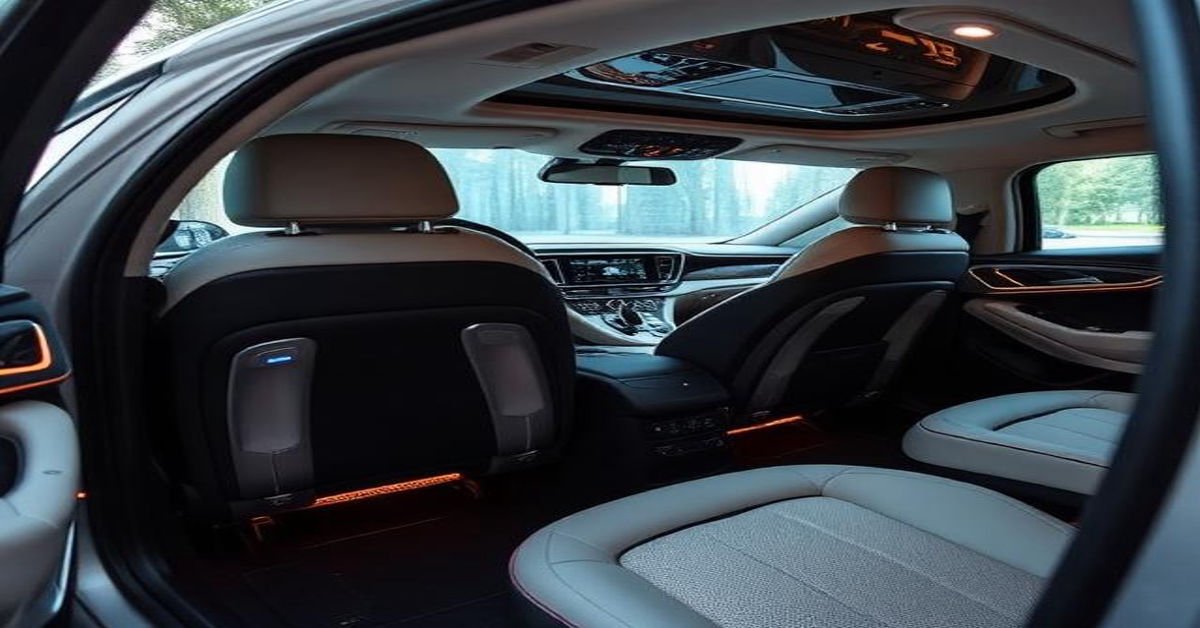
The global shift toward electric vehicles (EVs) is no longer just about sustainability or lower running costs. Today, one of the strongest reasons buyers are choosing EVs is interior superiority and luxury. Modern electric cars are transforming what luxury means inside a vehicle, offering quieter cabins, advanced technology, premium materials, and intelligent design that traditional fuel-powered cars often struggle to match.
This article explores how EV interior superiority luxury has become a defining factor in the premium automotive segment. From minimalist dashboards and ambient lighting to sustainable materials and AI-driven comfort features, EV interiors are setting new benchmarks for refinement, comfort, and innovation.
Understanding EV Interior Superiority
Luxury in automobiles has evolved significantly. Earlier, luxury meant leather seats, chrome accents, and powerful engines. In contrast, EV interior luxury focuses on experience, comfort, technology, and space optimization.
Electric vehicles do not need bulky engines or complex transmissions. This structural freedom allows designers to reimagine cabin layouts, creating interiors that feel open, modern, and highly personalized.
Key Drivers of EV Interior Superiority
| Factor | Contribution to Luxury |
|---|---|
| Flat floor design | More legroom and open cabin feel |
| Silent powertrain | Reduced noise and vibration |
| Advanced electronics | Smart displays and touch interfaces |
| Sustainable materials | Eco-luxury appeal |
| Software integration | Personalized comfort and controls |
Minimalist Design: The New Face of Luxury
One of the most noticeable aspects of EV interior superiority is minimalist design. Traditional dashboards filled with buttons and switches are being replaced by clean surfaces and digital interfaces.
Why Minimalism Feels Luxurious in EVs
-
Reduces visual clutter
-
Enhances driver focus
-
Creates a futuristic aesthetic
-
Improves ease of use through centralized controls
Large touchscreens often serve as the command center for navigation, climate, entertainment, and vehicle settings. This approach aligns with modern consumer preferences for simplicity and smart technology.
Superior Cabin Silence and Comfort
Luxury is closely linked to comfort, and EVs excel in this area. Without an internal combustion engine, electric vehicles offer an exceptionally quiet cabin environment.
Benefits of a Silent Interior
| Aspect | Impact on Passenger Experience |
|---|---|
| No engine noise | Calm and relaxed travel |
| Reduced vibration | Less fatigue on long journeys |
| Better sound system clarity | Enhanced audio experience |
| Improved conversation quality | Natural communication inside cabin |
Manufacturers also invest heavily in sound insulation and acoustic glass, further enhancing the premium feel of EV interiors.
Premium Materials and Sustainable Luxury
Modern luxury buyers increasingly value sustainability. EV interiors reflect this shift by incorporating eco-friendly yet premium materials without compromising comfort or aesthetics.
Common Materials Used in Luxury EV Interiors
| Material | Purpose |
|---|---|
| Vegan leather | Ethical alternative to traditional leather |
| Recycled plastics | Sustainability with durability |
| Natural wood trims | Warm and premium ambiance |
| Aluminum accents | Clean and modern finish |
| Fabric blends | Breathable and stylish seating |
This blend of sustainability and sophistication creates a new category often referred to as responsible luxury.
Advanced Ambient Lighting Systems
Ambient lighting has become a signature element of EV interior superiority luxury. Unlike conventional cars, EVs often feature customizable, intelligent lighting systems that enhance mood and comfort.
Features of EV Ambient Lighting
-
Multiple color options
-
Brightness adjustment based on time of day
-
Integration with driving modes
-
Soft indirect illumination
These lighting systems contribute to a premium atmosphere, especially during night drives, making the cabin feel like a luxury lounge rather than a vehicle.
Spacious Interiors Through Smart Architecture
Electric vehicle platforms allow for better space utilization. With batteries placed under the floor and compact motors, designers can maximize interior volume.
How EVs Achieve More Cabin Space
| Design Element | Result |
|---|---|
| Flat battery pack | Lower center of gravity |
| Shorter front hood | More passenger space |
| Absence of transmission tunnel | Improved rear-seat comfort |
| Flexible seating layouts | Enhanced practicality |
This spaciousness is a major contributor to EV interior superiority, especially in premium segments where comfort is a priority.
Intelligent Seating and Ergonomics
Luxury EV interiors focus heavily on ergonomics and seating comfort. Seats are designed not only to look premium but also to support the body during long drives.
High-End Seating Features in EVs
-
Multi-way power adjustment
-
Memory settings for multiple drivers
-
Heating and ventilation
-
Massage functions
-
Sustainable cushioning materials
These features, combined with improved legroom and headroom, elevate the overall driving and passenger experience.
Digital Displays and User Experience
EV interiors are deeply integrated with digital technology. Large infotainment screens, digital instrument clusters, and head-up displays redefine how drivers interact with their vehicles.
Common Digital Features in Luxury EV Cabins
| Feature | Function |
|---|---|
| Touchscreen infotainment | Centralized vehicle control |
| Digital driver display | Speed, range, navigation |
| Head-up display | Information without distraction |
| Voice assistants | Hands-free control |
| OTA updates | Continuous feature improvements |
The ability to update software over the air ensures that EV interiors remain modern and functional even years after purchase.
Climate Control Innovation
Climate systems in electric vehicles are far more advanced than in traditional cars. Luxury EV interiors often include multi-zone climate control with smart automation.
Climate Comfort Advantages in EVs
-
Individual temperature zones
-
Pre-conditioning before entry
-
Energy-efficient heat pumps
-
Air purification and ionization
These systems not only improve comfort but also align with energy efficiency goals, reinforcing the premium yet responsible nature of EV luxury.
Personalized Driving Experience
One of the strongest advantages of EV interior superiority luxury is personalization. Software-driven interiors adapt to individual preferences.
Personalization Options Available
| Category | Customization |
|---|---|
| Seating | Position, massage, heating |
| Lighting | Color and intensity |
| Displays | Layout and information priority |
| Driving modes | Comfort, sport, eco |
| User profiles | Saved settings for each driver |
This level of customization makes every journey feel tailored, a hallmark of true luxury.
Infotainment and Entertainment Excellence
Luxury EV interiors often offer next-generation entertainment systems designed for both drivers and passengers.
Entertainment Features Enhancing EV Luxury
-
High-resolution touch displays
-
Premium audio systems
-
Rear-seat entertainment screens
-
Wireless smartphone integration
-
Streaming and app support
These features transform EV cabins into connected, digital living spaces, especially appealing to younger, tech-savvy buyers.
Safety and Luxury Integration
Safety is an integral part of modern luxury. EV interiors seamlessly integrate advanced safety features without cluttering the cabin.
Interior-Focused Safety Enhancements
| Feature | Benefit |
|---|---|
| Driver monitoring systems | Increased alertness |
| Advanced airbags | Enhanced protection |
| Touch-free controls | Reduced distraction |
| Clear digital alerts | Quick response |
By combining safety with elegant design, EVs maintain a clean and premium interior aesthetic.
Future Trends in EV Interior Luxury
The evolution of EV interior superiority luxury is far from complete. Future developments are expected to push boundaries even further.
Emerging Trends to Watch
-
Augmented reality displays
-
AI-powered personal assistants
-
Fully recyclable interiors
-
Lounge-style seating layouts
-
Autonomous-ready cabin designs
As autonomy increases, interiors will shift focus from driving to relaxation, productivity, and entertainment.
EV Interior Luxury vs Traditional Luxury Cars
To understand the impact of EV interior superiority, it helps to compare electric vehicles with traditional luxury cars.
| Aspect | Luxury EV | Traditional Luxury Car |
|---|---|---|
| Noise level | Extremely low | Moderate to high |
| Interior layout | Open and minimalist | Mechanical constraints |
| Technology updates | Over-the-air | Dealer-dependent |
| Sustainability | High | Limited |
| Customization | Software-driven | Hardware-limited |
This comparison highlights why many premium buyers are migrating toward electric vehicles.
Buyer Perception and Market Impact
Consumer perception of luxury has shifted significantly. Buyers now associate luxury with innovation, comfort, sustainability, and smart technology, all areas where EV interiors excel.
Surveys and market trends show that interior experience plays a crucial role in EV purchase decisions, sometimes even outweighing range or performance.
Conclusion: The New Standard of Automotive Luxury
EV interior superiority luxury is redefining the premium automotive experience. Electric vehicles are no longer just an eco-friendly alternative; they are becoming the gold standard for interior comfort, innovation, and refinement.
With spacious cabins, silent operation, intelligent technology, sustainable materials, and unmatched personalization, EV interiors represent the future of luxury mobility. As technology advances and consumer expectations evolve, electric vehicles will continue to raise the bar, making traditional definitions of automotive luxury increasingly outdated.
1 thought on “EV Interior Superiority Luxury”