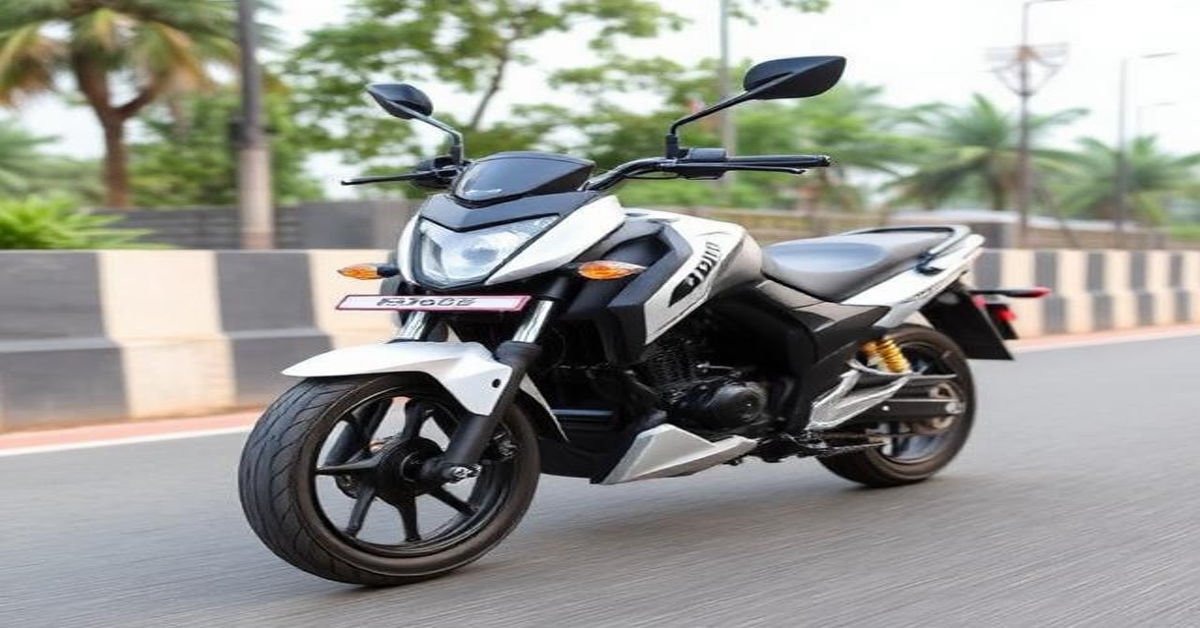
India is undergoing one of the fastest electric mobility transitions in the world, and nowhere is this shift more visible than in the two-wheeler segment. With rising fuel prices, growing environmental awareness, strong government incentives, and improved battery technology, electric scooters and motorcycles are rapidly moving from niche to mainstream.
This in-depth article explores the current landscape of EV two-wheeler sales in India, examining growth patterns, consumer behavior, policy support, industry challenges, and what lies ahead for manufacturers and buyers alike.
Why Electric Two-Wheelers Are Booming in India
India is the world’s largest market for two-wheelers, with millions relying on scooters and motorcycles for daily commuting. Electrification of this segment offers immediate benefits:
-
Lower running cost compared to petrol
-
Reduced urban pollution
-
Minimal maintenance
-
Government subsidies reducing upfront price
-
Suitability for short daily travel distances
Urban congestion, rising fuel expenses, and climate policies have collectively accelerated EV adoption across metro cities as well as Tier-2 towns.
India’s EV Two-Wheeler Sales Growth (Last Few Years)
Electric two-wheelers have seen explosive year-on-year growth driven by policy and market maturity.
| Year | Estimated EV 2W Sales | Growth Rate |
|---|---|---|
| 2020 | ~25,000 | Early adoption phase |
| 2021 | ~1.4 lakh | Policy-driven surge |
| 2022 | ~6.3 lakh | Rapid consumer acceptance |
| 2023 | ~8.5 lakh | Expansion across states |
| 2024 | ~11 lakh+ | Strong ecosystem growth |
| 2025 (Trend) | Accelerating | Mass market shift |
This growth trajectory clearly shows India transitioning from experimentation to large-scale electrification in the two-wheeler space.
Top Factors Driving EV Two-Wheeler Sales
1. Fuel Cost Savings
EVs cost roughly ₹0.15–₹0.25 per km versus ₹2+ per km for petrol scooters.
2. Government Incentives
Schemes like FAME-II and state subsidies significantly reduce purchase price.
3. Urban Commuting Fit
Most daily trips are under 30 km, ideal for electric range.
4. Financing Availability
Banks and NBFCs now offer dedicated EV loans.
5. Tech Improvements
Better lithium-ion batteries and fast charging have improved reliability.
Leading Electric Two-Wheeler Brands in India
Several startups and legacy manufacturers dominate sales.
| Brand | Popular Models | Market Position |
|---|---|---|
| Ola Electric | S1, S1 Pro | Market leader in scooters |
| Ather Energy | 450X, 450S | Premium urban EV |
| TVS | iQube | Trusted legacy brand |
| Bajaj | Chetak Electric | Premium retro EV |
| Hero Electric | Optima, Photon | Affordable mass segment |
| Ampere | Magnus, Primus | Budget commuter EV |
| Revolt | RV400 | Electric motorcycle leader |
Ola and TVS currently lead volumes, while Ather and Bajaj dominate premium urban markets.
State-Wise EV Sales Hotspots
Certain states are leading India’s electric two-wheeler revolution.
| State | Key Drivers |
|---|---|
| Maharashtra | Subsidies + Urban demand |
| Karnataka | Bengaluru tech adoption |
| Tamil Nadu | Manufacturing hub |
| Gujarat | Strong EV policy |
| Delhi | Aggressive incentives |
| Rajasthan | Growing Tier-2 adoption |
| Uttar Pradesh | Rapid rural penetration |
These states account for the majority of national EV 2W sales.
Who Is Buying Electric Two-Wheelers?
Urban Millennials – Cost-conscious daily commuters
Delivery Fleets – E-commerce and logistics companies
Students – Low running cost and ease of charging
Working Professionals – Office travel within cities
Women Riders – Lightweight scooters gaining popularity
Rural Buyers (Emerging) – Driven by rising petrol prices
Fleet operators are becoming one of the largest contributors to EV two-wheeler sales growth.
Cost Comparison: Petrol vs Electric Two-Wheeler
| Factor | Petrol Scooter | Electric Scooter |
|---|---|---|
| Fuel/Energy Cost | High | Very Low |
| Maintenance | Frequent | Minimal |
| Engine Servicing | Required | Not needed |
| Noise | Loud | Silent |
| Emissions | Yes | Zero |
| Long-Term Savings | Low | High |
Over 3 years, EV owners can save ₹40,000–₹70,000 in operating costs.
Charging Ecosystem Expansion
India is rapidly building EV charging infrastructure:
-
Home charging dominates (90% users)
-
Fast chargers in malls and highways increasing
-
Battery swapping pilots expanding
-
Local charging networks in Tier-2 towns emerging
Two-wheelers are easier to electrify because they can charge from standard domestic sockets.
Role of Government Policies
FAME-II Subsidy reduced scooter prices by ₹15,000–₹25,000
State EV Policies offering road tax exemption
PLI Schemes supporting local manufacturing
Battery Localization reducing dependency on imports
Government support has been the backbone of EV sales acceleration.
Challenges Slowing Wider Adoption
Despite strong growth, the sector faces hurdles:
-
Charging anxiety in rural areas
-
Battery replacement cost concerns
-
Limited dealership networks
-
Range fear for long-distance riders
-
Initial purchase price still higher than petrol in some models
However, each year these barriers are shrinking as technology and awareness improve.
Battery Technology Impact on Sales
New developments improving buyer confidence:
-
Higher energy density batteries
-
Faster charging capability
-
Improved thermal safety
-
5–7 year battery life
-
Portable battery options
Better battery reliability has directly boosted EV two-wheeler sales nationwide.
Fleet Electrification Driving Volumes
Delivery companies adopting EVs at scale:
| Company Type | EV Usage Growth |
|---|---|
| Food Delivery | Rapid adoption |
| Courier Services | Cost savings |
| E-commerce Logistics | Sustainability goals |
| Last-mile Mobility | Major driver |
Fleet sales are expected to account for nearly 40% of total EV two-wheeler demand in coming years.
Price Segments in the EV 2W Market
| Segment | Price Range | Buyer Type |
|---|---|---|
| Budget | ₹70K – ₹90K | Students & daily commuters |
| Mid-Range | ₹90K – ₹1.2L | Urban families |
| Premium | ₹1.2L – ₹1.6L | Tech-savvy professionals |
| Electric Bikes | ₹1.4L+ | Enthusiasts |
Affordable models are pushing adoption deeper into non-metro markets.
Impact on Petrol Two-Wheeler Market
Electric scooters are starting to eat into petrol sales in urban India. Many first-time buyers are now choosing EV over ICE due to lifetime savings.
Dealers also report higher inquiries for electric models compared to petrol in metro cities.
Future EV Two-Wheeler Sales Forecast
Industry analysts expect strong double-digit growth annually.
| Year | Expected Market Shift |
|---|---|
| 2026 | EV mainstream in cities |
| 2027 | Rural adoption accelerates |
| 2028 | Price parity with petrol |
| 2030 | 40–50% of new 2W sales electric |
India could become the largest EV two-wheeler market globally before 2030.
Opportunities for Manufacturers
-
Local battery production
-
Subscription battery models
-
Rural dealership expansion
-
Fleet partnerships
-
Smart connected features
-
Export potential
Startups and legacy brands are racing to capture early loyalty.
Consumer Awareness and Trust Rising
Test ride campaigns, digital marketing, and positive word-of-mouth have increased public confidence in electric two-wheelers. Customers now see EVs as practical rather than experimental.
Conclusion
EV two-wheeler sales in India represent the most dynamic transformation in the country’s automotive history. With favorable economics, strong policy support, rapid innovation, and massive demand from urban and fleet users, electric scooters and motorcycles are set to redefine mobility for millions.
2 thoughts on “EV Two-Wheeler Sales in India”