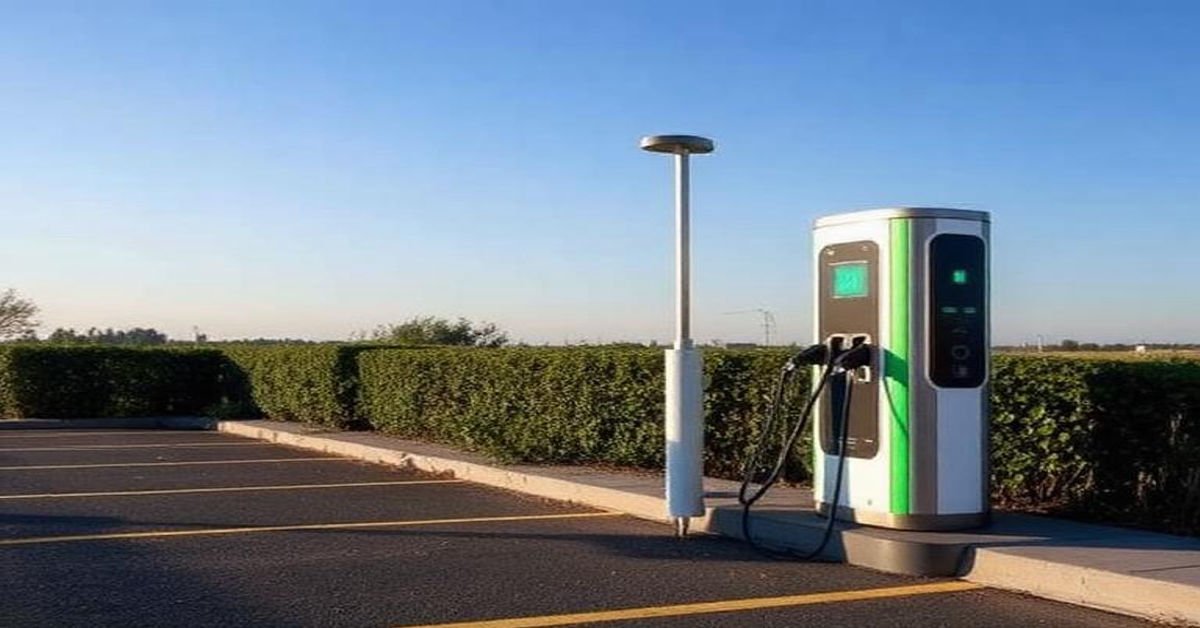
Free EV Charging Station toward sustainability, electric vehicles (EVs) have emerged as a key driver of change. However, one major challenge that continues to shape the electric mobility landscape is charging infrastructure and cost. Among the most exciting developments is the rise of free EV charging stations—an innovation reshaping how drivers recharge, reduce travel costs, and embrace cleaner transportation.
What Are Free EV Charging Stations?
Electric vehicles run on electricity instead of fossil fuels, and charging stations serve as the “gas stations” of the EV world. A free EV charging station is exactly what it sounds like: a charging point where EV drivers can recharge their vehicles without paying a direct fee at the point of charging.
Unlike paid stations—where drivers pay per hour, per kilowatt‑hour (kWh), or via subscription—free charging offers a cost‑free solution to power up vehicles.
How Free EV Charging Works
Free EV charging stations operate under different business models:
1. Sponsored Charging
Often found at malls, supermarkets, airports, and public spaces, these stations are funded by third parties. Sponsors cover electricity costs in exchange for increased foot traffic or enhanced brand reputation.
2. Government‑Funded Charging
Local governments and municipalities sometimes offer free charging to encourage EV adoption or support sustainability goals.
3. Promotional Offers
Some charging networks periodically offer free charging as part of promotions or loyalty programs.
4. Employer or Campus Charging
Workplaces and universities may install free charging stations as a benefit for employees, students, and visitors.
Why Free EV Charging Stations Matter
The transition to electric transportation is not only about vehicles—it’s about infrastructure and accessibility. Free charging stations play a significant role in boosting EV adoption due to several benefits:
1. Lowering Total Cost of Ownership
Owning an EV is already more affordable over time due to lower maintenance and fuel costs. Free charging further reduces operating expenses, making EV ownership attractive to a broader audience.
2. Reducing Range Anxiety
Range anxiety—the fear of running out of charge without a station nearby—is a top concern for potential EV buyers. The presence of free charging points increases confidence and reduces anxiety, especially for long trips or urban commuting.
3. Driving Sustainability Goals
Free charging encourages the use of electric vehicles, which produce zero tailpipe emissions. This supports cleaner air, reduced greenhouse gas emissions, and healthier communities.
4. Boosting Local Economy and Foot Traffic
Retailers offering free EV charging often enjoy higher customer traffic and longer visits, translating to increased spending and economic growth.
Types of EV Charging Stations Explained
To understand how free stations fit into the overall EV ecosystem, let’s break down charging types.
| Charging Type | Description | Typical Location | Charging Speed |
|---|---|---|---|
| Level 1 (AC) | Standard plug‑in charging from household outlets | Homes, offices | ~3–8 km per hour |
| Level 2 (AC) | Uses dedicated EV chargers | Malls, workplaces | ~20–60 km per hour |
| DC Fast Charging | High‑power rapid charging | Highways, transit hubs | ~100–400+ km per 30 min |
Paragraph:
Level 1 charging is convenient but slow, often used at home. Level 2 strikes a balance between convenience and speed, ideal for public and workplace stations. DC Fast Chargers support longer trips with rapid charging, although they require significant infrastructure investment. Free charging stations usually offer Level 2 charging, which is most economically feasible for businesses and governments to provide.
Benefits of Free EV Charging Stations
Let’s explore the key benefits in more detail:
1. Financial Benefits for EV Drivers
Free charging eliminates fueling costs at certain locations, saving drivers money. This makes electric mobility more affordable, especially for commuters and frequent travelers.
2. Environmental Impact
Every charge powered by clean electric energy reduces dependence on fossil fuels. Free EV charging stations contribute to broader adoption of EVs, which helps shrink carbon footprints and improve air quality.
3. Economic Growth for Businesses
Businesses offering free charging stations can attract customers who might otherwise bypass their location in favor of one with charging amenities.
4. Positive Brand Association
Businesses and sponsors that provide free charging often enjoy enhanced reputation and goodwill among environmentally conscious consumers.
5. Encouraging EV Adoption
Many first‑time EV buyers choose their vehicle type based on charging convenience. Free charging serves as an incentive that accelerates the shift toward electric mobility.
Challenges and Limitations
Despite the clear advantages, free EV charging is not without challenges. Below are key considerations:
1. Infrastructure Costs
Installation of charging stations—especially Level 2 and DC fast chargers—requires initial capital investment, electrical upgrades, permits, and maintenance.
2. Electricity Costs
While the end user doesn’t pay at the station, someone must fund the electricity costs—whether a business, government, or sponsor.
3. Usage Management
High‑demand free stations can experience queues or congestion. Without proper management, these stations can become less reliable for users.
4. Limited Locations
Free charging is more prevalent in urban centers, shopping districts, and high‑traffic areas. Rural coverage remains limited.
5. Technical Requirements
Proper installation and ongoing maintenance require technical expertise to ensure safety and reliability.
Where Are Free EV Charging Stations Most Common?
Free charging stations are increasingly appearing in multiple locations:
1. Retail and Shopping Centers
Malls and shopping plazas often partner with charging network providers to offer free stations that encourage shoppers to stay longer.
2. Public Parking Areas
Municipalities sometimes offer free EV charging in public parking lots and municipal facilities to support local sustainability goals.
3. Workplaces and Campuses
Office buildings and university campuses may provide free charging as an employee or student benefit.
4. Hotels and Hospitality
Hotels looking to attract eco‑friendly travelers provide free charging as part of their amenities.
Cost Comparison: Free vs Paid Charging
| Factor | Free Charging | Paid Charging |
|---|---|---|
| Cost to User | $0 at point of charge | Varies by location, time, or kWh |
| Convenience | Attractive & incentivized | Depends on network and tariff |
| Revenue Generation | No direct income | Generates income for operator |
| Usage Priority | May face congestion | Often better managed |
| Ideal For | Short to medium stays | Long‑distance or frequent chargers |
Paragraph:
Free charging is especially beneficial for users during errands, shopping, dining, or during work/study hours. Paid charging remains essential along highways and long‑distance routes where infrastructure costs must be covered.
Safety and Standards at Free EV Charging Stations
Safety and consistent performance are critical for all EV charging stations, including free ones. Here’s what to consider:
1. Compliance with Standards
Stations must comply with electrical safety regulations, national and local codes, and industry standards to protect users and equipment.
2. Regular Maintenance
Even free stations require regular inspection to ensure cables, connectors, and electrical components operate safely.
3. Clear Signage and Instructions
Users should find clear instructions, safety warnings, and contact information in case of issues.
4. Accessibility and ADA Compliance
Charging stations should be accessible for all users, including those with disabilities.
Real‑World Examples of Free Charging Implementation
Here are some notable examples where free EV charging has been successfully implemented:
1. Shopping Centers
Many regional malls provide free Level 2 chargers in their parking lots. These stations support shoppers while they dine, shop, or work.
2. Community Programs
Certain cities offer free charging as part of public sustainability initiatives to reduce emissions and support mobility.
3. Corporate Campuses
Employers install free chargers as an employee benefit, promoting eco‑friendly commuting and job satisfaction.
4. Hospitality Venues
Hotels and resorts offer free charging to attract eco‑conscious tourists and long‑stay guests.
How to Find Free EV Charging Stations
Finding free EV charging stations requires the right tools:
| Tool Type | Purpose |
|---|---|
| Navigation Apps | Locate nearby free chargers in real‑time |
| Charging Network Maps | Show station status and cost details |
| Government Portals | Display public free charging locations |
| Retailer Websites | List amenities including free EV charging |
Paragraph:
Many EV drivers rely on apps and network maps to identify free charging stations along their route, check availability, and plan stops during longer trips.
Future Trends in Free EV Charging
The free EV charging landscape is evolving rapidly. Here’s what to expect:
1. More Public‑Private Partnerships
Increased collaboration between governments and private businesses to expand free charging access.
2. Renewable‑Powered Charging
Solar‑powered stations will deliver free charging while maximizing sustainability.
3. Smart Charging and Load‑Balancing
Advancements in software will optimize energy distribution and reduce electricity costs for providers.
4. Expansion of Free Charging Zones
Cities may designate specific areas where free charging is available to all EV drivers.
How Businesses Can Benefit from Offering Free EV Charging
Offering free EV charging isn’t just a goodwill gesture—it can be a strategic business move.
1. Increased Foot Traffic
Visitors spend more time and money at destinations that offer free charging.
2. Competitive Advantage
Free charging differentiates businesses from competitors that do not provide this benefit.
3. Brand Reputation
Supporting clean transport enhances brand image among eco‑conscious customers.
4. Partnership Opportunities
Businesses can collaborate with utilities or sponsors to offset costs while gaining exposure.
Practical Steps to Set Up a Free EV Charging Station
For businesses or municipalities interested in installing free chargers:
1. Assess Demand
Study local EV adoption and traffic to determine charger needs.
2. Select the Right Charger Type
Level 2 chargers are common for free stations due to cost and convenience balance.
3. Partner with Utilities
Many utilities offer incentives, rebates, or support for installation.
4. Ensure Proper Installation
Hire certified professionals to install and test stations.
5. Promote Your Charging Service
Advertise free charging through signage, websites, social media, and maps.
Conclusion: The Road Ahead
Free EV charging stations are more than a perk—they are a fundamental pillar of the future electric mobility ecosystem. They reduce operating costs for drivers, encourage EV adoption, support environmental goals, and provide economic value to businesses and communities.
1 thought on “Free EV Charging Station”