🚗 Introduction
Local Council EV Charging Grants UK is accelerating across the United Kingdom, driven by climate goals, fuel savings, and technological innovation. However, one of the biggest concerns for EV owners remains charging infrastructure—especially for those without private driveways or access to home charging.
To address this, local council EV charging grants in the UK have become a critical support system. These grants help residents, landlords, and businesses install charging points at reduced costs, making EV adoption more accessible and practical.
This comprehensive guide explains everything you need to know about UK local council EV charging grants in 2026, including eligibility, types of schemes, application processes, and expert tips—written in a clear, human-friendly, and SEO-optimized format.
📊 Why EV Charging Grants Matter
Electric vehicle adoption is growing rapidly, but infrastructure must keep pace. Many households—especially in urban areas—lack off-street parking, making charging difficult.
Key Benefits of Grants:
- Reduce installation costs significantly
- Encourage wider EV adoption
- Support environmental goals (net-zero targets)
- Improve public and residential infrastructure
🏛️ Overview of Local Council EV Charging Grants in the UK
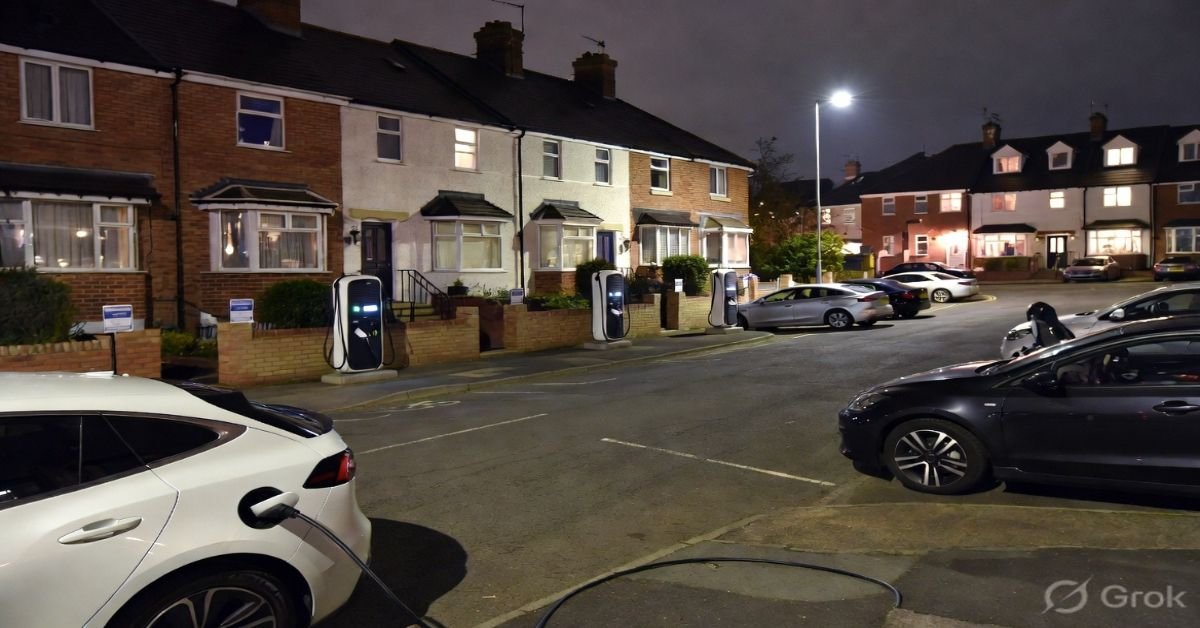
Local councils across the UK work alongside national programs to offer funding and support for EV charging infrastructure.
Main Funding Sources:
- Government-backed schemes
- Local authority initiatives
- Partnerships with private charging providers
🔑 Key UK EV Charging Grant Schemes
Below are the most important schemes available in 2026:
1. EV Chargepoint Grant (Residential)
This scheme supports individuals living in flats or rental properties.
Features:
- Up to £350 or 75% of installation cost
- Available for renters and flat owners
- Requires landlord or property approval
2. Local Electric Vehicle Infrastructure (LEVI) Fund
A major government initiative delivered through local councils.
Features:
- Focus on public charging infrastructure
- Supports on-street charging solutions
- Aims to expand charging access nationwide
3. Workplace Charging Scheme (WCS)
Designed for businesses and organisations.
Features:
- Up to £350 per socket
- Maximum of 40 sockets per applicant
- Encourages EV adoption among employees
4. On-Street Residential Chargepoint Scheme (ORCS)
Helps councils install chargers in residential areas without driveways.
Features:
- Covers up to 60% of installation costs
- Ideal for urban communities
- Managed by local authorities
📋 Comparison Table of EV Charging Grants
| Scheme Name | Target Users | Grant Amount | Coverage | Managed By |
|---|---|---|---|---|
| EV Chargepoint Grant | Renters & Flat Owners | Up to £350 | Home charging | Government |
| LEVI Fund | Local Councils | Varies | Public infrastructure | Local Authorities |
| Workplace Charging Scheme | Businesses | Up to £14,000 | Workplace charging | Government |
| ORCS | Councils | Up to 60% cost | On-street charging | Local Authorities |
🧠 Eligibility Criteria
Each scheme has different eligibility rules, but common requirements include:
For Individuals:
- Must own, lease, or have permission for the property
- Must own or plan to own an EV
- Off-street parking (for some schemes)
For Landlords:
- Property must be rented out
- Consent for installation required
- Must use approved installers
For Businesses:
- Must have dedicated parking spaces
- Must be a registered UK business
- Installers must be government-approved
⚙️ Installation Requirements
To qualify for grants, installations must meet strict guidelines:
- Use OZEV-approved installers
- Smart chargers with remote monitoring
- Compliance with UK electrical safety standards
- Internet connectivity (for smart charging features)
Read more:Latest EV energy storage discoveries UK
💰 Cost Breakdown of EV Charger Installation
Even with grants, it’s important to understand the overall cost.
Typical Costs:
| Item | Estimated Cost (£) |
|---|---|
| Charger Unit | 500 – 1,000 |
| Installation | 300 – 800 |
| Electrical Upgrades | 200 – 1,000 |
| Total Cost | 1,000 – 2,500 |
With Grant Support:
You may only pay £500–£1,500, depending on eligibility.
🌍 Role of Local Councils
Local councils play a crucial role in EV infrastructure development:
Responsibilities:
- Identifying charging locations
- Managing public installations
- Applying for funding (e.g., LEVI, ORCS)
- Partnering with private companies
Example Initiatives:
- Lamp-post chargers
- Community charging hubs
- Rapid charging stations in public areas
📈 Growth of EV Charging in the UK
The UK government aims to phase out petrol and diesel vehicles by 2035, making EV infrastructure critical.
Key Trends:
- Rapid increase in public charging stations
- Expansion in rural and urban areas
- Integration with renewable energy sources
🧾 How to Apply for EV Charging Grants
Step-by-Step Process:
- Check Eligibility
Visit official government or council websites
- Choose Approved Installer
Must be OZEV-certified
- Get Quote
Installer provides cost estimate
- Apply for Grant
Often handled by installer
- Installation
Once approved, installation is scheduled
- Grant Deduction
Discount applied directly to invoice
⚠️ Common Mistakes to Avoid
- Choosing non-approved installers
- Ignoring property permissions
- Applying for wrong scheme
- Not checking local council availability
🏢 EV Charging for Businesses
Businesses benefit significantly from EV charging grants.
Advantages:
- Attract eco-conscious customers
- Support employee EV adoption
- Enhance brand sustainability
Example Setup:
| Business Type | Charging Use Case |
|---|---|
| Offices | Employee charging |
| Retail Stores | Customer attraction |
| Hotels | Guest convenience |
| Warehouses | Fleet charging |
🌱 Environmental Impact
EV charging grants contribute to:
- Reduced carbon emissions
- Cleaner air in cities
- Lower dependence on fossil fuels
Read more:Next-Gen Battery Cell Innovations
Environmental Benefits Table:
| Factor | Impact |
|---|---|
| CO₂ Emissions | Reduced significantly |
| Air Quality | Improved in urban areas |
| Noise Pollution | Lower compared to ICE vehicles |
🔮 Future of EV Charging Grants in the UK
Looking ahead, EV grants are expected to evolve:
Upcoming Trends:
- Increased funding for rural areas
- More focus on fast and ultra-fast chargers
- Integration with smart grids
- Expansion of shared charging solutions
🧩 Tips to Maximise Your Grant Benefits
- Apply early (funding is limited)
- Combine multiple schemes if eligible
- Work with experienced installers
- Check local council updates regularly
🏁 Conclusion
Local council EV charging grants in the UK are a powerful tool in accelerating the transition to electric mobility. Whether you’re a homeowner, renter, landlord, or business owner, these schemes make EV charging more affordable and accessible.
By understanding the available options, eligibility requirements, and application processes, you can take full advantage of these opportunities and contribute to a cleaner, greener future.
1 thought on “Local Council EV Charging Grants UK”