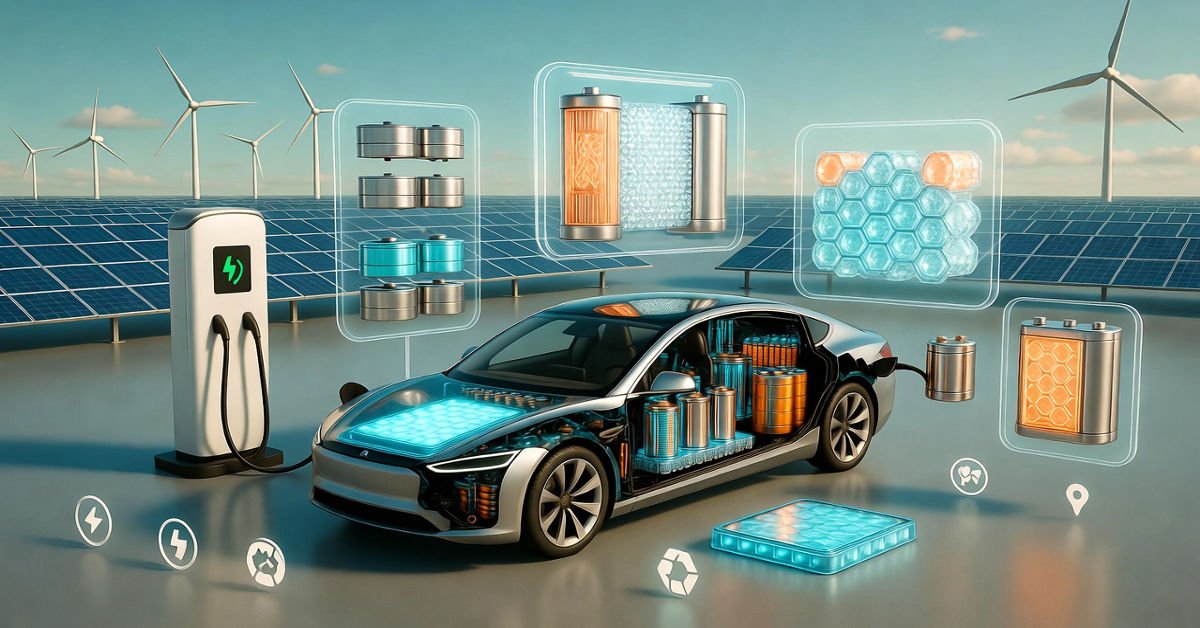
The global transition toward clean mobility is accelerating at an unprecedented pace, and at the heart of this transformation lies one critical component: the electric vehicle (EV) power cell. Power cells, commonly referred to as battery cells, determine how far an electric car can travel, how fast it can charge, how safe it is to operate, and how affordable it becomes for consumers.
Over the past decade, lithium-ion batteries enabled the first wave of modern electric vehicles. Today, however, a new generation of advanced power cells is emerging—designed to overcome the limitations of earlier technologies. These advancements focus on higher energy density, faster charging, longer lifespan, improved safety, and reduced environmental impact.
This article explores the latest innovations in electric vehicle power cells, their benefits, real-world applications, and how they are shaping the next chapter of sustainable transportation.
Understanding Electric Vehicle Power Cells
An electric vehicle power cell is the smallest functional unit of an EV battery pack. Thousands of these cells are connected in modules to store and release electrical energy that drives the vehicle’s motor.
Power cells are evaluated based on several core characteristics:
-
Energy density (how much power they store per unit of weight)
-
Charging speed
-
Cycle life (how many charge-discharge cycles they can handle)
-
Thermal stability and safety
-
Cost efficiency
-
Environmental footprint
Traditional lithium-ion cells have powered most EVs so far, but their performance ceiling has triggered a race for newer chemistries and designs.
Why New Power Cell Advancements Matter
Electric vehicles must compete directly with internal combustion engine cars in terms of convenience, reliability, and cost. Battery performance plays a decisive role in this competition.
New power cell advancements aim to solve key challenges such as:
-
Limited driving range
-
Long charging times
-
Battery degradation
-
Risk of overheating
-
High production costs
-
Raw material scarcity
With governments worldwide pushing for carbon neutrality and banning gasoline vehicles in future decades, battery innovation has become a strategic priority for both automakers and energy researchers.
Major Breakthroughs in Electric Vehicle Power Cells
1. Solid-State Battery Technology
Solid-state batteries replace liquid electrolytes with solid materials, offering major safety and performance advantages.
Key benefits include:
-
Higher energy density
-
Reduced fire risk
-
Longer lifespan
-
Compact design
Unlike liquid electrolytes, solid electrolytes are not flammable, making these batteries more stable during accidents or extreme temperatures. Many automakers are investing heavily in solid-state development to support long-range electric vehicles.
2. Lithium-Iron Phosphate (LFP) Cell Evolution
LFP batteries are gaining renewed attention due to their affordability and safety.
Advantages of modern LFP cells include:
-
Longer cycle life
-
Improved thermal stability
-
Lower manufacturing costs
-
Reduced reliance on rare metals like cobalt
While LFP cells traditionally had lower energy density, new engineering improvements are closing the gap with conventional lithium-ion cells, making them ideal for mass-market EVs.
3. Silicon Anode Power Cells
Replacing graphite with silicon in battery anodes significantly increases energy storage capacity.
Silicon anodes provide:
-
Up to 40% higher energy density
-
Faster charging capability
-
Better performance in extreme temperatures
However, silicon expands during charging, which can degrade the battery. Recent advancements in nano-engineering and composite materials are overcoming this challenge, making silicon anode cells commercially viable.
4. Sodium-Ion Batteries
Sodium-ion technology offers an alternative to lithium-based batteries using abundant raw materials.
Main advantages include:
-
Lower cost
-
Easier recycling
-
Strong performance in cold climates
-
Reduced environmental impact
Although sodium-ion batteries currently offer slightly lower energy density than lithium-ion, they are ideal for entry-level EVs and urban transport.
5. Cobalt-Free and Nickel-Rich Cells
New cell chemistries aim to remove cobalt entirely due to ethical and environmental concerns linked to mining.
Nickel-rich cathodes improve:
-
Energy density
-
Battery lifespan
-
Manufacturing sustainability
These developments reduce dependency on scarce resources while enhancing performance.
Comparison of Traditional vs New Power Cell Technologies
| Feature | Traditional Lithium-Ion Cells | New Advanced Power Cells |
|---|---|---|
| Energy Density | Moderate | High |
| Charging Speed | Slow to moderate | Fast charging (10–15 minutes) |
| Safety | Risk of overheating | Improved thermal stability |
| Environmental Impact | High mineral dependency | Reduced rare materials |
| Lifespan | 1,000–2,000 cycles | 3,000–5,000 cycles |
| Cost Trend | Decreasing slowly | Rapid cost reduction |
These improvements directly influence the affordability and usability of future electric vehicles.
Impact on Electric Vehicle Range and Charging
One of the most visible benefits of advanced power cells is extended driving range.
Modern battery innovations now enable:
-
600–800 km range on a single charge
-
Ultra-fast charging in under 15 minutes
-
Minimal performance loss in cold weather
-
Stable operation at high temperatures
Such progress removes two of the biggest psychological barriers for EV buyers: range anxiety and charging inconvenience.
Safety Enhancements in New Power Cells
Battery safety is a major concern for both manufacturers and consumers. New cell advancements focus heavily on thermal management and chemical stability.
Safety improvements include:
-
Non-flammable solid electrolytes
-
Smart thermal monitoring systems
-
Fire-resistant cell casings
-
Automated shutdown mechanisms
These technologies reduce the likelihood of thermal runaway and improve crash resistance.
Environmental Sustainability and Recycling
Modern power cell research also emphasizes sustainability.
Key developments include:
-
Reduced cobalt and lithium usage
-
Recyclable cell designs
-
Lower carbon manufacturing processes
-
Second-life applications for used batteries
Recycled battery materials can be reused for energy storage systems, creating a circular economy model.
Manufacturing Innovations in Power Cells
Advanced production methods are helping scale up battery manufacturing.
Notable innovations include:
-
Dry electrode coating techniques
-
AI-driven quality control
-
Modular battery architectures
-
Gigafactory automation
These methods lower production costs and ensure consistent quality.
Applications Beyond Passenger Cars
Power cell advancements are not limited to electric cars alone. They are also transforming:
-
Electric buses
-
Commercial delivery vehicles
-
Two-wheelers and scooters
-
Marine transportation
-
Aviation prototypes
-
Renewable energy storage systems
High-capacity power cells make electrification possible across transportation sectors.
Global Investment and Research Trends
Governments and private companies are investing billions into battery research.
Key focus areas include:
-
National battery manufacturing programs
-
University research partnerships
-
Public-private innovation hubs
-
International supply chain security
These investments accelerate innovation while reducing dependency on imports.
Challenges Still Facing Power Cell Development
Despite rapid progress, several challenges remain:
-
High initial production costs
-
Scaling solid-state batteries
-
Raw material sourcing
-
Recycling infrastructure
-
Regulatory approvals
-
Consumer trust
Solving these challenges requires collaboration between policymakers, scientists, and industry leaders.
Future Outlook for Electric Vehicle Power Cells
The next decade will define the future of battery technology.
Expected developments include:
-
Commercial solid-state EVs
-
Fully cobalt-free batteries
-
Charging times under 10 minutes
-
Batteries lasting over 1 million kilometers
-
AI-optimized battery management systems
-
Grid-connected vehicle-to-grid power sharing
Power cells will become not only energy storage units but intelligent energy management systems.
Key New Power Cell Technologies and Benefits
| Technology | Main Benefit | Best Application |
|---|---|---|
| Solid-State Cells | High safety and density | Premium EVs |
| Silicon Anode Cells | Faster charging | Performance vehicles |
| Sodium-Ion Cells | Low cost | Entry-level EVs |
| LFP Advanced Cells | Long lifespan | City EVs |
| Nickel-Rich Cells | High energy output | Long-range EVs |
These technologies will coexist rather than replace each other entirely, serving different market segments.
Consumer Benefits of Power Cell Advancements
For everyday drivers, battery innovation means:
-
Lower vehicle prices
-
Reduced maintenance costs
-
Longer warranties
-
Improved reliability
-
Cleaner environmental footprint
-
Greater convenience
As power cells improve, electric vehicles become more practical for mainstream adoption.
Expert Perspective and Industry Experience
Battery engineers emphasize that no single breakthrough defines success. Instead, progress comes from incremental improvements across chemistry, design, and manufacturing.
Automakers now collaborate closely with research institutions to ensure new cell technologies meet real-world safety and durability standards. These partnerships bring laboratory breakthroughs into commercial production.
Conclusion
New electric vehicle power cell advancements are reshaping the future of transportation. From solid-state batteries to sodium-ion alternatives and silicon anodes, innovation is unlocking higher energy density, faster charging, improved safety, and environmental sustainability.
These technologies will determine how quickly electric vehicles replace traditional gasoline cars. With continued research, responsible sourcing of materials, and scalable manufacturing, power cells will become the foundation of a cleaner, more efficient global transport system.
1 thought on “New Electric Vehicle Power Cell Advancements”