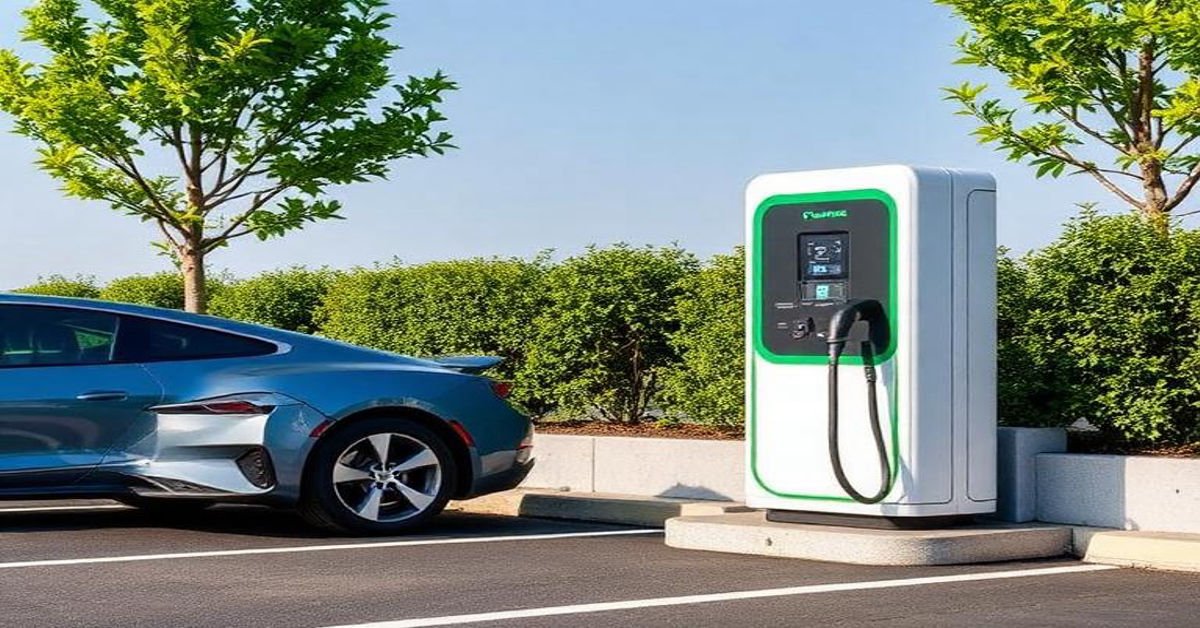
The electric vehicle (EV) revolution is accelerating globally, creating lucrative opportunities for entrepreneurs. One of the most promising ventures is starting an EV charging station business. As governments and consumers increasingly embrace clean energy and sustainable transportation, the demand for EV infrastructure continues to grow. In this guide, we will explore everything you need to know about establishing a profitable EV charging station business, including planning, investment, operations, and growth strategies.
Understanding the EV Charging Market
The EV market is expanding rapidly. According to industry reports, global EV sales are projected to reach over 30 million units annually by 2030, making EV charging infrastructure a critical requirement. Starting an EV charging station business now ensures you enter the market early, positioning your brand for long-term growth.
Key Market Drivers:
-
Government incentives for EV adoption
-
Increased consumer awareness of environmental sustainability
-
Rising fuel prices driving EV adoption
-
Growth in commercial and public EV infrastructure
| Market Factor | Impact on EV Charging Business |
|---|---|
| Government Incentives | Reduces setup costs, improves ROI |
| EV Adoption Rate | Higher demand for charging stations |
| Technology Advances | Faster, more efficient chargers attract users |
| Competition | Necessitates unique value propositions |
Understanding these market dynamics is crucial for planning your business model.
Types of EV Charging Stations
When starting an EV charging station business, it is essential to choose the right type of charging infrastructure. There are three primary categories:
1. Level 1 Charging (Slow Chargers)
-
Uses standard 120V household outlets
-
Suitable for overnight charging at homes or small businesses
-
Low installation cost but slow charging speed
2. Level 2 Charging (Fast Chargers)
-
Uses 240V outlets or dedicated EVSE (Electric Vehicle Supply Equipment)
-
Suitable for commercial areas, malls, and workplaces
-
Charges vehicles in 4–6 hours
3. DC Fast Charging (Superchargers)
-
Provides high-speed charging within 30–60 minutes
-
Ideal for highways, public charging hubs, and fleet operators
-
High installation cost but attracts premium users
| Charging Type | Charging Speed | Cost Range | Ideal Location |
|---|---|---|---|
| Level 1 | 2–5 miles/hour | Low | Residential |
| Level 2 | 10–25 miles/hour | Medium | Commercial |
| DC Fast | 60–80 miles/30 min | High | Highways, Public Hubs |
Selecting the right type depends on your budget, target customers, and location.
Business Planning and Feasibility
A solid business plan is the foundation of a successful EV charging station venture. Your plan should include:
-
Market Analysis: Evaluate demand, competition, and demographics.
-
Site Selection: Choose high-traffic areas with EV-friendly infrastructure.
-
Financial Planning: Estimate setup costs, operational expenses, and revenue streams.
-
Legal and Regulatory Compliance: Understand local zoning laws, permits, and utility requirements.
-
Technology Selection: Choose charging equipment, payment solutions, and software management systems.
Estimating Initial Investment
| Item | Cost Estimate (USD) |
|---|---|
| Land/Lease | 20,000–100,000 |
| Level 2 Chargers (per unit) | 2,000–10,000 |
| DC Fast Chargers (per unit) | 30,000–100,000 |
| Electrical Upgrades | 10,000–50,000 |
| Permits & Licensing | 2,000–5,000 |
| Software & Payment Systems | 1,000–5,000 |
Total Estimated Investment: $50,000–$300,000 (depending on scale and location).
Legal and Regulatory Requirements
Starting an EV charging station business requires compliance with local and national regulations. Key steps include:
-
Business Registration: Register your company and obtain a trade license.
-
Permits and Zoning: Ensure the location is approved for commercial EV charging.
-
Utility Approvals: Coordinate with electric utility providers for grid connection.
-
Safety Standards: Adhere to IEC, NEC, or local safety standards for EVSE installation.
-
Insurance: Obtain liability and property insurance to cover operational risks.
Failure to comply with regulations can lead to fines or business shutdown, so legal compliance is non-negotiable.
Choosing the Right Location
Location is a critical factor in EV charging station profitability. Ideal sites have:
-
High vehicular traffic
-
Proximity to commercial centers, highways, or residential complexes
-
Access to reliable electricity
-
Space for multiple charging units and parking
Prime Location Options:
| Location Type | Pros | Cons |
|---|---|---|
| Shopping Malls | High foot traffic, captive audience | Lease costs may be high |
| Highway Stops | Targets long-distance travelers | Fewer daily users in some areas |
| Residential Complexes | Steady subscription-based revenue | Limited visibility for walk-in users |
| Fleet Hubs | Guaranteed usage from commercial vehicles | Requires large initial investment |
Choosing a location that balances cost, traffic, and accessibility ensures long-term success.
Equipment and Technology
Investing in the right technology is crucial for attracting and retaining customers. Key considerations include:
-
Charger Type: Level 2 or DC Fast Chargers depending on your target market.
-
Payment Solutions: Offer app-based payments, RFID cards, and contactless options.
-
Monitoring Software: Real-time analytics for usage, revenue, and maintenance alerts.
-
Future-Proofing: Ensure chargers are compatible with upcoming EV models and software updates.
Revenue Streams
An EV charging station can generate multiple revenue streams:
-
Pay-Per-Use: Users pay per kWh or per session.
-
Subscription Plans: Monthly or annual plans for frequent users.
-
Advertising Partnerships: Digital displays or in-station promotions.
-
Government Incentives: Tax credits or grants for installing EV infrastructure.
-
Fleet Charging Contracts: Long-term agreements with delivery or taxi services.
| Revenue Source | Potential Monthly Revenue | Notes |
|---|---|---|
| Pay-Per-Use | $500–$2,000 per charger | Depends on traffic |
| Subscription | $300–$1,000 per plan | Steady recurring revenue |
| Advertising | $100–$500 per month | Depends on visibility |
| Fleet Contracts | $2,000–$5,000 | High-volume clients |
Diversifying revenue streams reduces risk and improves profitability.
Marketing and Customer Engagement
Effective marketing helps attract EV owners to your charging station. Strategies include:
-
Local SEO: Optimize your website and Google Maps listing for “EV charging near me.”
-
Mobile Apps: Integrate with EV navigation apps to attract nearby drivers.
-
Promotions: Offer free initial charging or loyalty discounts.
-
Social Media: Showcase your green initiative and community engagement.
Building a reliable, convenient, and visible brand ensures long-term customer loyalty.
Operations and Maintenance
Running an EV charging station involves ongoing maintenance and monitoring:
-
Regular Equipment Checks: Prevent downtime and maintain efficiency.
-
Software Updates: Keep payment systems and chargers updated.
-
Customer Support: Offer responsive service via app or helpline.
-
Energy Management: Optimize electricity usage and explore solar integration.
Operational efficiency directly impacts customer satisfaction and profitability.
Challenges and Risk Management
Like any business, an EV charging station faces challenges:
-
High initial investment and slow ROI
-
Regulatory changes and compliance costs
-
Technological obsolescence
-
Competition from other charging networks
Risk Mitigation Strategies:
-
Secure government incentives to reduce initial costs
-
Choose scalable and upgradeable technology
-
Partner with EV fleets or ride-hailing services for steady revenue
-
Offer differentiated services such as 24/7 availability or premium charging
Future Growth Opportunities
The EV charging business is set for exponential growth. Future trends include:
-
Ultra-Fast Chargers: Reduced charging times to 10–15 minutes.
-
Integration with Renewable Energy: Solar or wind-powered charging stations.
-
Smart Grids: Vehicle-to-grid (V2G) technology allowing EVs to supply power back to the grid.
-
Franchise Models: Scaling your brand across multiple locations.
Being an early mover in a rapidly growing market gives you a competitive edge.
Conclusion
Starting an EV charging station business offers immense potential as the world transitions to sustainable transportation. With careful planning, smart technology investments, and strategic location selection, this venture can be highly profitable. Success depends on understanding market dynamics, adhering to regulations, and delivering a reliable, convenient charging experience.
1 thought on “Starting an EV Charging Station Business”