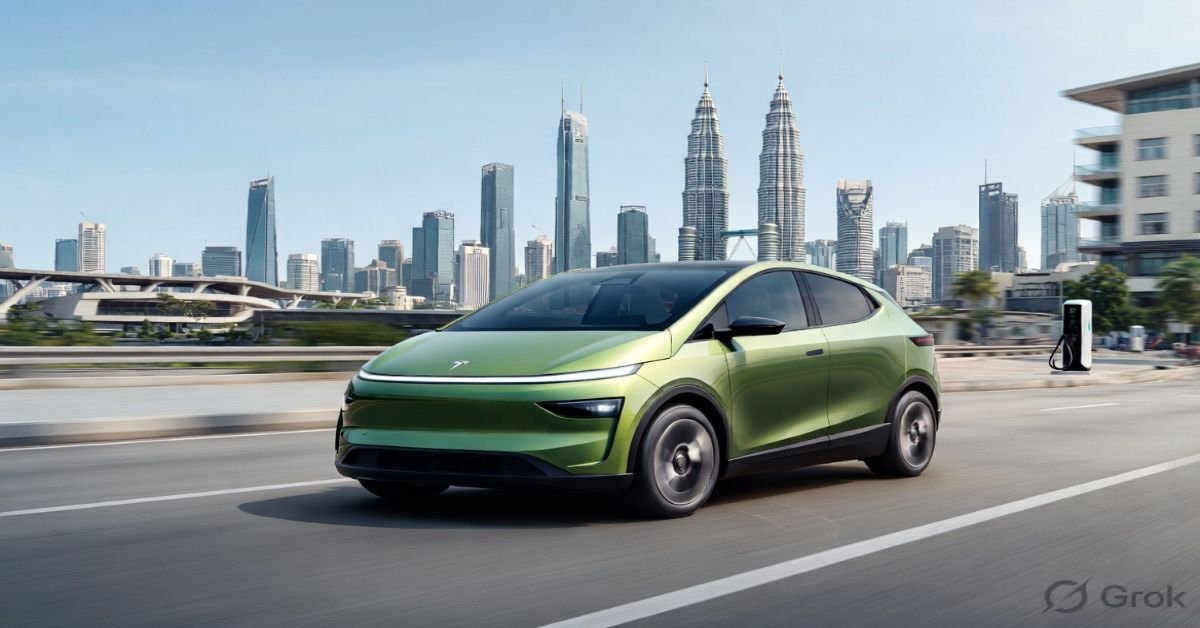
The electric vehicle (EV) market in Malaysia is evolving rapidly, making eco-friendly driving more accessible than ever. While EVs were once considered premium products, recent developments in technology, government incentives, and market competition have brought several options closer to the RM100,000 price range.
If you’re searching for an EV car in Malaysia below 100k, this comprehensive guide will help you understand available options, future possibilities, cost considerations, and whether buying an EV on a budget makes sense in 2026.
Why Affordable EVs Are Gaining Popularity in Malaysia
Malaysia has been actively promoting electric mobility through tax exemptions, incentives, and infrastructure development. As a result, more Malaysians are considering EVs as a practical alternative to petrol vehicles.
Key reasons for the growing demand:
- Rising fuel prices
- Lower maintenance costs
- Environmental awareness
- Government incentives for EV buyers
- Expansion of charging stations across urban areas
Affordable EVs are especially attractive for first-time buyers, city commuters, and budget-conscious families.
Are There EV Cars Below RM100K in Malaysia?
As of 2026, fully electric cars under RM100,000 are still limited in Malaysia’s official market. However, there are three realistic ways buyers can access EVs within this budget:
- Imported budget EVs (grey market)
- Compact micro EVs
- Upcoming entry-level EV models
Popular Budget EV Options (Close to or Below RM100K)
Here are some EV models that are either currently available through imports or expected to fit within the budget range.
1. Wuling Mini EV (Imported Option)
The Wuling Mini EV is one of the most affordable electric cars globally and has gained attention in Malaysia through parallel imports.
Key Features:
- Compact 2–4 seater
- Range: 120–300 km (depending on variant)
- Ideal for city driving
- Extremely low running cost
Estimated Price in Malaysia: RM70,000 – RM95,000 (imported)
Read more:Mahindra Electric Car Low Price
2. Chery QQ Ice Cream EV
A small and affordable EV designed for urban commuting.
Highlights:
- Cute, compact design
- Low energy consumption
- Suitable for short-distance travel
Estimated Price: Around RM80,000 – RM100,000 (import-dependent)
3. DFSK Mini EV
Another compact EV option gaining traction in Southeast Asia.
Specifications:
- Range: ~150 km
- Small footprint for easy parking
- Budget-friendly ownership
Comparison Table of Budget EV Cars
| Model Name | Estimated Price (RM) | Range (km) | Seating | Best For |
|---|---|---|---|---|
| Wuling Mini EV | 70,000 – 95,000 | 120–300 | 2–4 | City commuting |
| Chery QQ Ice Cream | 80,000 – 100,000 | 120–170 | 2–4 | Daily short trips |
| DFSK Mini EV | 75,000 – 95,000 | ~150 | 4 | Budget urban driving |
Upcoming Affordable EVs in Malaysia
While current options are limited, several manufacturers are planning to launch entry-level EVs under RM100K or slightly above.
Expected Models:
- Compact EV hatchbacks from Chinese automakers
- Local assembly (CKD) EVs to reduce costs
- Budget EVs supported by government incentives
These upcoming models could significantly expand choices for Malaysian buyers in the next 1–2 years.
Government Incentives for EV Buyers
Malaysia’s government is actively supporting EV adoption, which helps reduce the overall cost.
Key incentives include:
- Import duty exemptions (for certain EVs)
- Road tax exemptions (for EVs)
- Income tax relief for home charging equipment
- Lower registration fees
These incentives make EV ownership more affordable, even if the upfront price is slightly above RM100K.
Read more:Smart Home EV Charging in the USA
Cost of Owning a Budget EV in Malaysia
Buying an EV is not just about the purchase price. Let’s break down the ownership costs.
1. Charging Costs
Charging an EV is significantly cheaper than fueling a petrol car.
- Average home charging cost: RM0.20–RM0.50 per kWh
- Monthly charging cost: RM50–RM150 (depending on usage)
2. Maintenance Costs
EVs have fewer moving parts compared to traditional cars.
Lower costs due to:
- No engine oil changes
- No exhaust system
- Less wear on brakes
3. Insurance Costs
Insurance for EVs may be slightly higher due to battery costs, but affordable EVs usually have moderate premiums.
Charging Infrastructure in Malaysia
One of the main concerns for EV buyers is charging availability.
Current situation:
- Increasing number of public charging stations
- Availability in major cities like Kuala Lumpur, Penang, and Johor Bahru
- Growing network of fast chargers
For budget EV owners, home charging remains the most practical option.
Advantages of Buying a Budget EV
1. Low Running Costs
Electric vehicles are significantly cheaper to operate compared to petrol cars.
2. Eco-Friendly Driving
Zero tailpipe emissions contribute to a cleaner environment.
3. Ideal for Urban Use
Small EVs are perfect for city traffic and parking.
4. Quiet and Smooth Performance
EVs offer a comfortable driving experience with instant torque.
Limitations of Budget EVs
While affordable EVs are attractive, there are some limitations to consider.
1. Limited Driving Range
Most budget EVs offer lower range compared to premium models.
2. Smaller Size
Compact design may not suit large families.
3. Limited Official Support
Imported EVs may lack service centers and warranty coverage.
4. Charging Time
Charging can take longer compared to refueling petrol vehicles.
Who Should Buy an EV Below RM100K?
Budget EVs are ideal for:
- City commuters
- First-time car buyers
- Students or young professionals
- Short-distance drivers
- Eco-conscious individuals
However, they may not be suitable for:
- Long-distance travelers
- Large families
- Buyers needing high performance
Tips Before Buying a Budget EV in Malaysia
1. Check Warranty and Support
Ensure availability of service centers and spare parts.
2. Verify Import Legality
If buying an imported EV, confirm compliance with Malaysian regulations.
3. Evaluate Charging Options
Install a home charger if possible.
4. Compare Total Cost of Ownership
Look beyond the purchase price.
Future of Affordable EVs in Malaysia
The EV market is expected to grow significantly in Malaysia.
Trends to watch:
- More affordable EV models
- Improved battery technology
- Faster charging solutions
- Expansion of charging infrastructure
- Increased local manufacturing
Experts predict that EVs under RM100K will become more common by 2027–2028, making electric mobility accessible to a wider population.
Conclusion
Finding an EV car in Malaysia below RM100K is still a challenge in 2026, but not impossible. With options like compact imported EVs and upcoming affordable models, budget-conscious buyers now have a pathway into electric mobility.
While these vehicles may come with limitations such as shorter range and smaller size, they offer significant benefits in terms of cost savings, environmental impact, and urban convenience.
If your driving needs align with what budget EVs offer, now is a great time to explore this growing segment. As the market continues to evolve, more affordable and practical EV options will soon become available for Malaysian consumers.
2 thoughts on “EV cars in Malaysia below RM100K”