Introduction
As electric vehicles continue to grow in popularity, many car owners are exploring an alternative to purchasing a brand-new EV: installing a kit for electric car conversion. These conversion kits allow you to replace a traditional gasoline engine with an electric motor, battery pack, and supporting electronics, transforming an existing vehicle into a fully electric car.
While an EV conversion requires technical expertise and careful planning, it can be an exciting project for enthusiasts, restorers, and businesses looking to reduce fuel costs and emissions. This guide explains how electric car conversion kits work, their components, costs, advantages, challenges, and whether converting your vehicle is the right choice.
What Is a Kit for Electric Car Conversion?
Kit for Electric Car Conversion is a collection of components designed to replace the internal combustion engine (ICE) in a vehicle with an electric drivetrain.
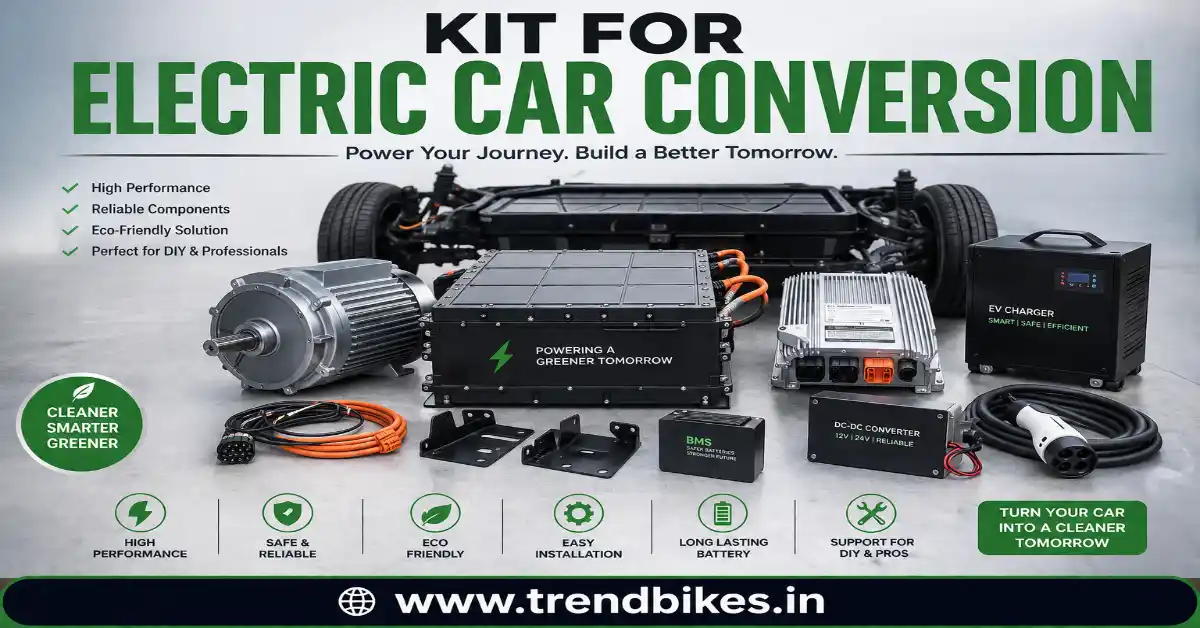
Most conversion kits include:
- Electric motor
- Motor controller
- Battery pack
- Battery Management System (BMS)
- Charger
- DC-DC converter
- Wiring harness
- Mounting brackets
- Cooling components
- Safety disconnects
Some manufacturers offer complete Kit for Electric Car Conversion while others provide modular systems that allow buyers to select batteries and motors separately.
Main Components of an Electric Car Conversion Kit
| Component | Purpose |
|---|---|
| Electric Motor | Powers the vehicle |
| Battery Pack | Stores electrical energy |
| Motor Controller | Controls motor speed and torque |
| Battery Management System | Protects and balances battery cells |
| Onboard Charger | Charges batteries from AC power |
| DC-DC Converter | Powers 12V accessories |
| Wiring Harness | Connects electrical systems |
| Cooling System | Maintains safe operating temperatures |
| Mounting Hardware | Secures components inside the vehicle |
How Does an Electric Car Conversion Work?
The conversion process generally follows these steps:
- Remove the gasoline engine.
- Remove the fuel tank.
- Remove the exhaust system.
- Install the electric motor.
- Install the battery pack.
- Connect the motor controller.
- Install charging equipment.
- Configure the Battery Management System.
- Test electrical systems.
- Perform safety inspections.
Once completed, the vehicle operates entirely on electricity.
Types of Electric Car Conversion Kits
Universal Conversion Kits
Designed to fit multiple vehicle models.
Pros
- Flexible
- Widely available
- Lower initial cost
Cons
- More customization required
Vehicle-Specific Kits
Engineered for particular makes and models.
Pros
- Easier installation
- Better compatibility
- Improved reliability
Cons
- Limited vehicle options
- Usually more expensive
Performance EV Kits
Designed for sports cars and high-performance builds.
Features include:
- High-power motors
- Large battery packs
- Advanced controllers
- Fast charging support
Estimated Cost of Electric Car Conversion
| Component | Estimated Cost (USD) |
|---|---|
| Electric Motor | $2,000–$6,000 |
| Battery Pack | $6,000–$15,000 |
| Motor Controller | $1,000–$3,500 |
| Charger | $500–$2,000 |
| BMS | $500–$2,000 |
| Wiring & Hardware | $500–$2,000 |
| Professional Installation | $5,000–$15,000 |
Estimated Total Cost: $15,000–$40,000
Costs vary depending on battery size, vehicle type, and labor.
Advantages of Installing an Electric Car Conversion Kit
Lower Running Costs
Electricity generally costs less than gasoline, reducing long-term operating expenses.
Reduced Maintenance
Electric motors have fewer moving parts than combustion engines, resulting in less routine maintenance.
Zero Tailpipe Emissions
Converted EVs produce no exhaust emissions during operation.
Preserve Classic Cars
Many enthusiasts convert vintage vehicles while maintaining their original appearance.
Quiet Driving Experience
Electric motors operate smoothly and quietly.
Challenges of Electric Car Conversion
Before beginning a conversion, consider these factors:
- High upfront investment
- Technical complexity
- Battery weight
- Limited driving range depending on battery capacity
- Certification and local regulations
- Insurance requirements
Professional installation is recommended for most vehicle owners.
Best Vehicles for Electric Conversion
Some vehicles are easier to convert because of their size, weight, and engine bay layout.
Examples include:
| Vehicle Type | Conversion Suitability |
|---|---|
| Classic Cars | Excellent |
| Small Hatchbacks | Excellent |
| Compact Sedans | Very Good |
| Pickup Trucks | Good |
| SUVs | Moderate |
| Luxury Cars | Vehicle-dependent |
How Long Does an EV Conversion Take?
The timeline depends on project complexity.
| Installation Type | Estimated Time |
|---|---|
| DIY Project | 2–6 months |
| Professional Shop | 4–10 weeks |
| Custom Performance Build | 3–8 months |
DIY vs Professional Installation
| Feature | DIY | Professional |
|---|---|---|
| Lower Cost | ✔ | ✘ |
| Requires Mechanical Skills | ✔ | ✘ |
| Electrical Expertise Needed | ✔ | ✘ |
| Warranty Support | Limited | Better |
| Faster Completion | ✘ | ✔ |
| Safety Assurance | Variable | Higher |
Battery Options for Conversion Kits
Popular battery technologies include:
| Battery Type | Advantages | Disadvantages |
|---|---|---|
| Lithium-Ion | High energy density | Higher cost |
| Lithium Iron Phosphate (LiFePO4) | Long lifespan, safer | Slightly heavier |
| Nickel Metal Hydride | Durable | Less common today |
Lithium-based batteries are the most popular choice for modern conversions.
Charging Options
Most converted EVs support:
- Standard home charging
- Level 2 charging stations
- Fast charging (if supported by the conversion system)
Charging speed depends on the onboard charger and battery configuration.
Safety Considerations
Always prioritize safety during an EV conversion.
Important precautions include:
- Proper high-voltage insulation
- Certified battery installation
- Secure battery mounting
- Adequate cooling
- High-voltage disconnects
- Compliance with local vehicle regulations
Never work on high-voltage systems without appropriate training and protective equipment.
Is an Electric Car Conversion Worth It?
A conversion may be worthwhile if you:
- Own a classic vehicle you want to preserve
- Enjoy custom automotive projects
- Want to reduce fuel costs
- Have access to experienced installers
- Understand the total project cost
For many drivers seeking a daily commuter, purchasing a factory-built EV may offer greater convenience and warranty support. However, for enthusiasts and restoration projects, an electric conversion can be a rewarding solution.
Frequently Asked Questions
Can any car be converted to electric?
Many vehicles can be converted, but some are more suitable than others based on their design, weight, and available space.
How much does a kit for electric car conversion cost?
A complete project typically ranges from $15,000 to $40,000, including components and installation.
How far can a converted EV travel?
Driving range varies by battery size, vehicle weight, and efficiency. Many conversions achieve approximately 100–250 miles per charge.
Is professional installation recommended?
Yes. High-voltage electrical systems require specialized knowledge, and professional installation can improve safety and reliability.
Can I charge a converted EV at home?
Yes. Most conversions are compatible with standard home charging equipment, and some support faster charging options.
Conclusion
A Kit for Electric Car Conversion offers an innovative way to give an existing vehicle a new electric life. Whether you’re restoring a classic car or creating a custom EV project, choosing quality components, following safety standards, and understanding the total investment are essential for success.
Although conversions can require significant time and expense, they provide a unique opportunity to combine the character of an older vehicle with the benefits of modern electric mobility.