Introduction: Honda’s Electric Vision for the Future
New Honda Electric Car 2026 has long been known for reliability, fuel efficiency, and innovation. However, in recent years, the company has shifted its focus toward electrification. The 2026 electric car lineup represents a significant milestone in Honda’s long-term plan to achieve carbon neutrality.
The company has committed to launching multiple EV models globally, with a strong emphasis on:
- Advanced battery technology
- Sustainable manufacturing
- Smart connectivity features
- Enhanced driving range
This new electric vehicle is expected to be built on Honda’s next-generation EV platform, designed specifically for performance, efficiency, and scalability.
Expected Launch Timeline
Honda is likely to unveil its new electric car in late 2025, with a full market launch in 2026. The rollout may begin in key markets such as:
- United States
- Japan
- Europe
- India (potentially by late 2026 or early 2027)
This phased release strategy allows Honda to adapt to regional market demands and infrastructure readiness.
Design and Exterior: Modern Yet Practical
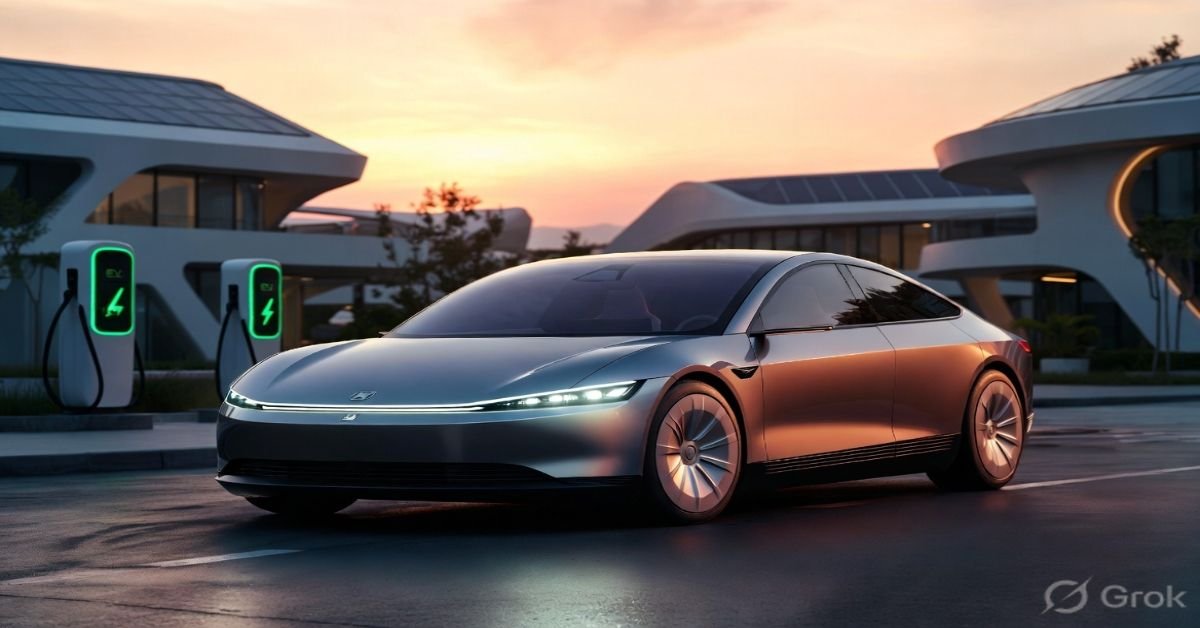
The Honda Electric Car 2026 is expected to feature a futuristic yet practical design language. Honda aims to blend aerodynamic efficiency with modern aesthetics.
Key Design Highlights
- Sleek LED headlamps with signature lighting
- Closed front grille (typical for EVs)
- Aerodynamic body for improved range
- Flush door handles
- Sporty alloy wheels
- Minimalistic rear profile with LED tail lamps
The design will likely prioritize reduced drag, which directly contributes to improved battery efficiency and driving range.
Read more:EV Charging Station Subscription Plan
Interior and Cabin Experience
Inside, the new Honda EV is expected to deliver a premium and tech-focused cabin designed for comfort and connectivity.
Interior Features
- Large touchscreen infotainment system
- Fully digital instrument cluster
- Voice-enabled controls
- Wireless Apple CarPlay and Android Auto
- Ambient lighting
- Premium upholstery options
- Spacious seating with improved legroom
Honda is also expected to focus on sustainable materials, such as recycled plastics and eco-friendly fabrics.
Battery, Range, and Performance
One of the most important aspects of any electric vehicle is its battery performance. Honda’s 2026 EV is expected to deliver competitive specifications.
Expected Battery and Range
| Feature | Expected Specification |
|---|---|
| Battery Capacity | 60 kWh – 80 kWh |
| Driving Range | 400 – 550 km (per charge) |
| Charging Time (Fast Charge) | 30–45 minutes (0–80%) |
| Charging Type | DC Fast Charging + AC Home Charging |
Performance Overview
- Instant torque delivery
- Smooth acceleration
- Silent driving experience
- Multiple driving modes (Eco, Normal, Sport)
Honda may also introduce dual-motor AWD variants for better traction and performance.
Technology and Connectivity Features
Modern EV buyers expect advanced technology, and Honda is expected to deliver a highly connected driving experience.
Smart Features
- Over-the-air (OTA) software updates
- AI-based driving assistance
- Advanced navigation system with charging station mapping
- Smartphone app integration for remote control
- Digital key access
These features ensure that the vehicle remains updated and user-friendly over time.
Safety Features and Driver Assistance
Safety remains a top priority for Honda. The 2026 electric car is expected to include a comprehensive suite of advanced safety systems.
Expected Safety Technologies
- Advanced Driver Assistance Systems (ADAS)
- Adaptive cruise control
- Lane keeping assist
- Automatic emergency braking
- Blind spot monitoring
- 360-degree camera
Safety Overview Table
| Safety Feature | Availability |
|---|---|
| Airbags | Standard |
| ABS with EBD | Standard |
| ADAS Suite | Expected |
| Parking Sensors | Standard |
| Collision Warning | Expected |
These features aim to provide a secure and confident driving experience for both city and highway conditions.
Charging Infrastructure and Convenience
One of the biggest challenges for EV adoption is charging infrastructure. Honda is working to address this by:
- Partnering with charging network providers
- Supporting fast-charging compatibility
- Offering home charging solutions
Read more:EV Battery Degradation Solutions UK
Charging Options
| Charging Type | Time Required |
|---|---|
| Home Charger (AC) | 6–8 hours |
| Fast Charger (DC) | 30–45 minutes |
| Public Charging | Varies |
This flexibility ensures convenience for daily use and long-distance travel.
Expected Price and Variants
Pricing will play a crucial role in the success of the Honda Electric Car 2026.
Expected Price Range
| Market | Expected Price |
|---|---|
| USA | $30,000 – $45,000 |
| Europe | €32,000 – €48,000 |
| India | ₹20 lakh – ₹35 lakh |
Honda is likely to offer multiple variants, including:
- Base variant (affordable, essential features)
- Mid variant (balanced features)
- Top variant (premium features and extended range)
Comparison with Competitors
The EV market is becoming highly competitive, with several established players and new entrants.
Key Competitors
- Tesla Model 3
- Hyundai Ioniq 5
- Kia EV6
- MG ZS EV
Read more:State EV Incentives California USA
Comparison Table
| Feature | Honda EV 2026 | Competitors |
|---|---|---|
| Range | 400–550 km | Similar |
| Price | Competitive | Slightly higher in some cases |
| Technology | Advanced | Advanced |
| Brand Reliability | Strong | Varies |
Honda’s advantage lies in its brand trust, affordability, and reliability.
Sustainability and Environmental Impact
Honda is focusing heavily on sustainability in its EV development.
Eco-Friendly Initiatives
- Use of recycled materials
- Reduced carbon footprint in manufacturing
- Energy-efficient battery systems
- End-of-life battery recycling programs
This aligns with global goals to reduce greenhouse gas emissions and promote clean energy.
Why the Honda Electric Car 2026 Matters
The launch of this EV is significant for several reasons:
- Strengthens Honda’s position in the EV market
- Offers more choices for consumers
- Supports global sustainability goals
- Encourages EV adoption in emerging markets
For buyers, it represents a balance of affordability, performance, and technology.
Pros and Cons
Advantages
- Competitive driving range
- Advanced technology features
- Trusted brand reputation
- Expected affordable pricing
- Strong safety features
Potential Drawbacks
- Charging infrastructure limitations in some regions
- Late entry compared to competitors
- Final specifications may vary
Future of Honda Electric Vehicles
Honda’s 2026 EV is just the beginning. The company plans to expand its electric lineup significantly in the coming years.
Future Plans
- Launch of multiple EV models globally
- Development of solid-state batteries
- Expansion of charging networks
- Integration of autonomous driving technology
This long-term strategy highlights Honda’s commitment to a fully electric future.
Conclusion
The Honda Electric Car 2026 is shaping up to be a strong contender in the rapidly growing EV market. With its expected combination of modern design, advanced technology, reliable performance, and competitive pricing, it has the potential to attract a wide range of buyers.
1 thought on “New Honda Electric Car 2026”